Best Glass Food Storage Containers: Non-Toxic Picks for 2026

Best Glass Food Storage Containers: Non-Toxic Picks for 2026

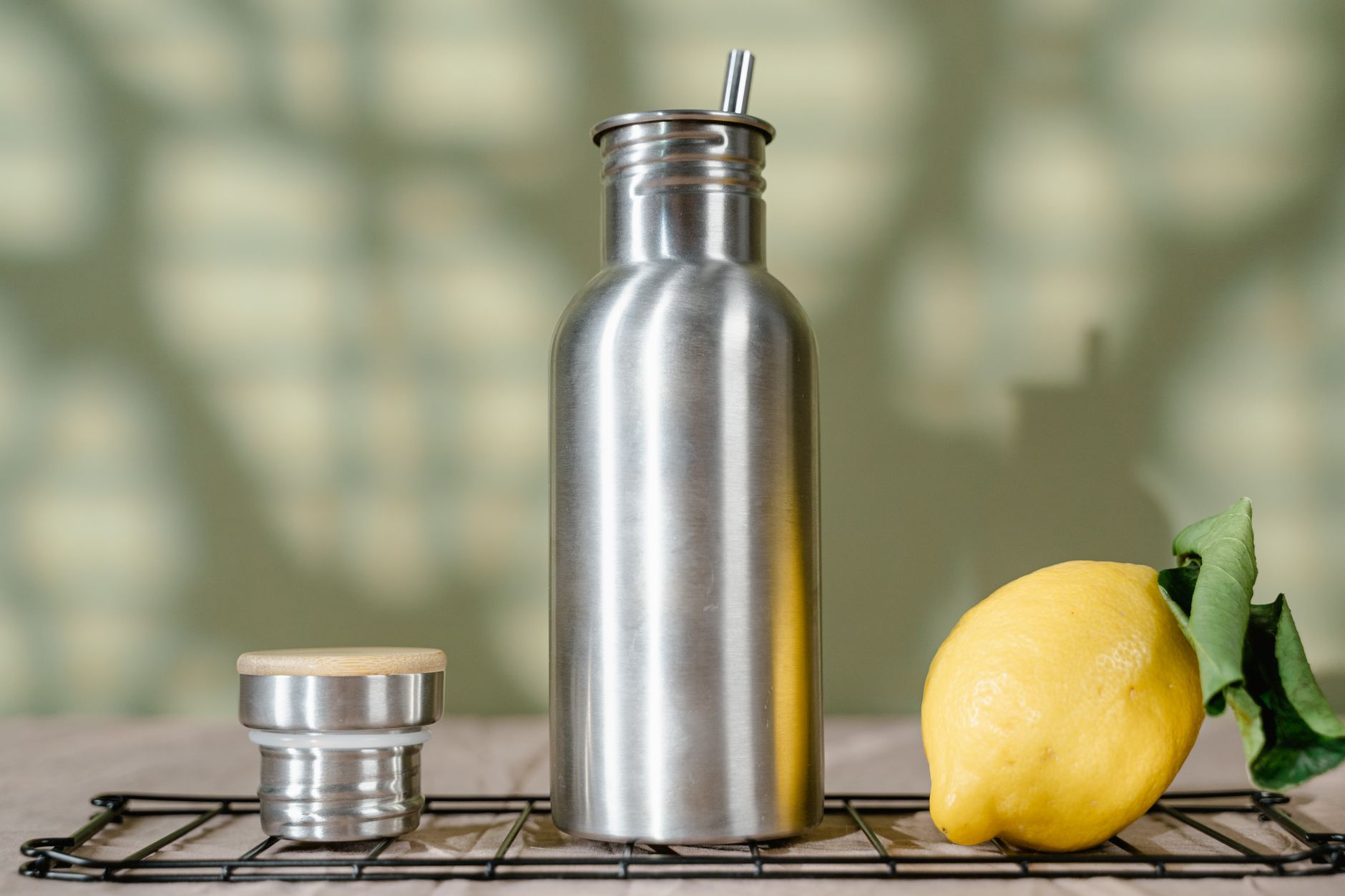
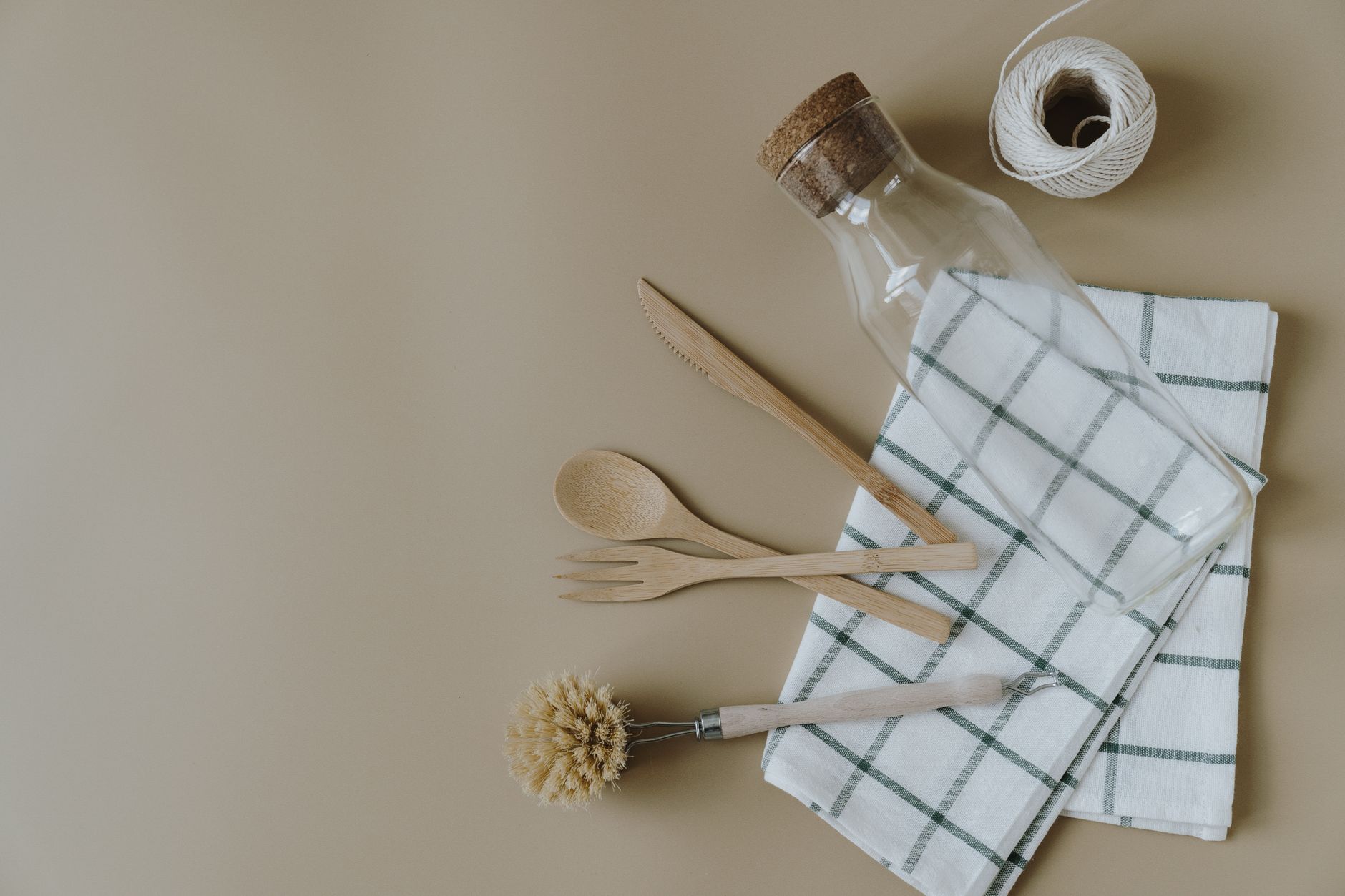
Quick Answer: The best glass food storage containers are Pyrex Simply Store for budget sets, Glasslock for leakproof lids, and Prep Naturals for meal prep. All keep food touching glass instead of plastic. Look for borosilicate glass if you freeze then heat often. Always remove plastic lids before microwaving or baking. If you store leftovers in plastic, you have probably noticed stains, warping, and a smell that never leaves. Those are signs the plastic is breaking down. Glass food storage containers remove the main risk: chemical migration from the container wall into your food. BPA, phthalates, and PFAS are commonly used in plastics and coatings. The EPA set a 2022 lifetime health advisory of 0.004 parts per trillion for PFOA in drinking water, which shows how little PFAS regulators now consider acceptable. Switching to glass earns a quick win for any non-toxic kitchen, and it links to our broader guide on best non-toxic food storage. ...

August 18, 2026 · 10 min · Jarrod Gravison
Toxic Chemicals in Personal Care Products: What to Avoid

Toxic Chemicals in Personal Care Products: What to Avoid

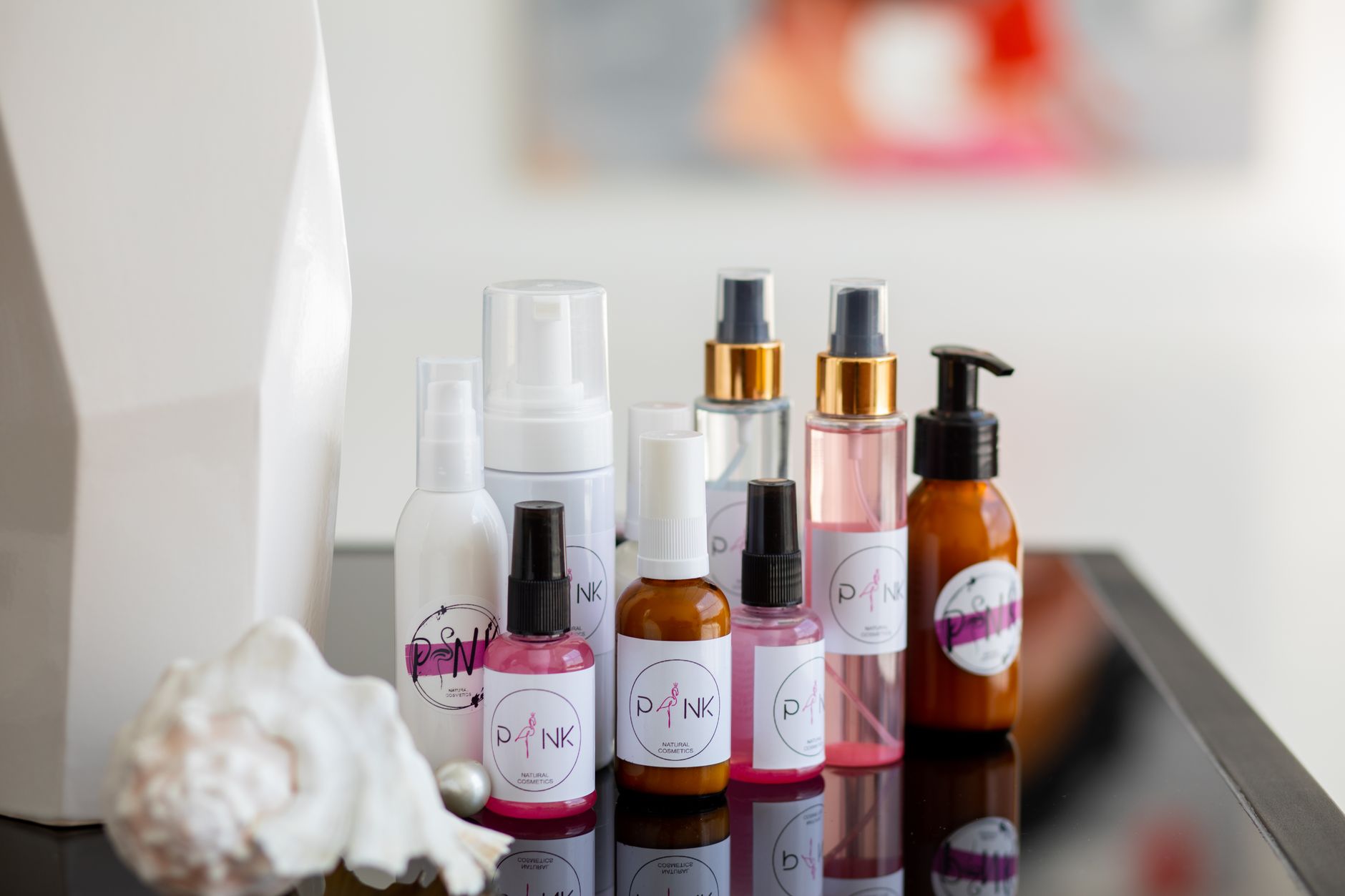
Quick Answer: Avoid parabens, phthalates, formaldehyde releasers, PFAS, and synthetic fragrance. Check ingredient labels for these terms. Prefer fragrance-free, paraben-free, and EWG Verified products. The FDA does not require premarket safety testing for most cosmetics, so consumer label reading is essential. Your morning routine may expose you to far more than clean skin and fresh scent. The average adult uses 6 to 12 personal care products daily, according to the Environmental Working Group. That ritual can add up to more than 100 unique ingredients before breakfast. Some of those ingredients are linked to hormone disruption, skin irritation, and longer term health concerns. Cosmetic regulations in the United States have not changed much since 1938. The FDA does not require premarket safety testing for most beauty products. That means label reading is your first line of defense. ...

August 16, 2026 · 10 min · Jarrod Gravison
PFAS in Baby Products: What Parents Need to Know in 2026

PFAS in Baby Products: What Parents Need to Know in 2026

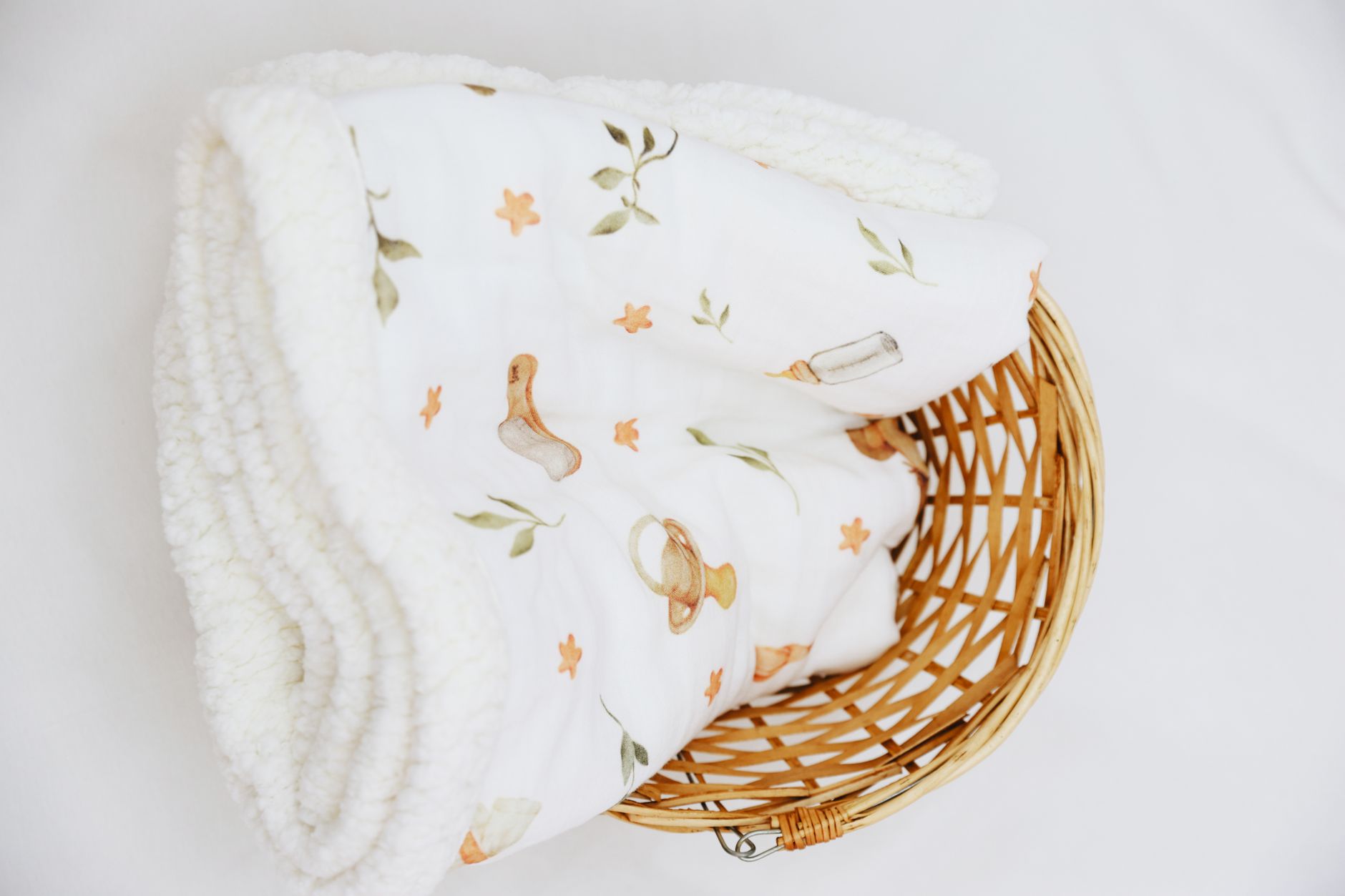
Quick Answer: PFAS are a large group of synthetic fluorinated chemicals used to make baby gear water, stain, or grease resistant. They can migrate into dust, food, and water. In 2026, parents can lower exposure by avoiding performance finishes, using certified PFAS-free textiles, filtering drinking water, and choosing safer materials for bottles, mattresses, and food contact. If you have shopped for a crib mattress, stroller, or baby bib in the last few years, you have probably seen labels like water resistant, stain resistant, or easy clean. Those claims sound helpful for new parents. But many of those finishes depend on a class of chemicals known as per- and polyfluoroalkyl substances, or PFAS. These compounds are sometimes called forever chemicals because they do not easily break down in the environment or the human body. PFAS in baby products is a growing concern among pediatric environmental health researchers, and 2026 brings new regulatory pressure and better testing tools. Parents should not have to be chemists to choose safe gear, so this guide explains what the science says in plain terms. ...

August 16, 2026 · 11 min · Jarrod Gravison
PFAS-Free Cookware Guide 2026: Brands That Are Actually Safe

PFAS-Free Cookware Guide 2026: Brands That Are Actually Safe

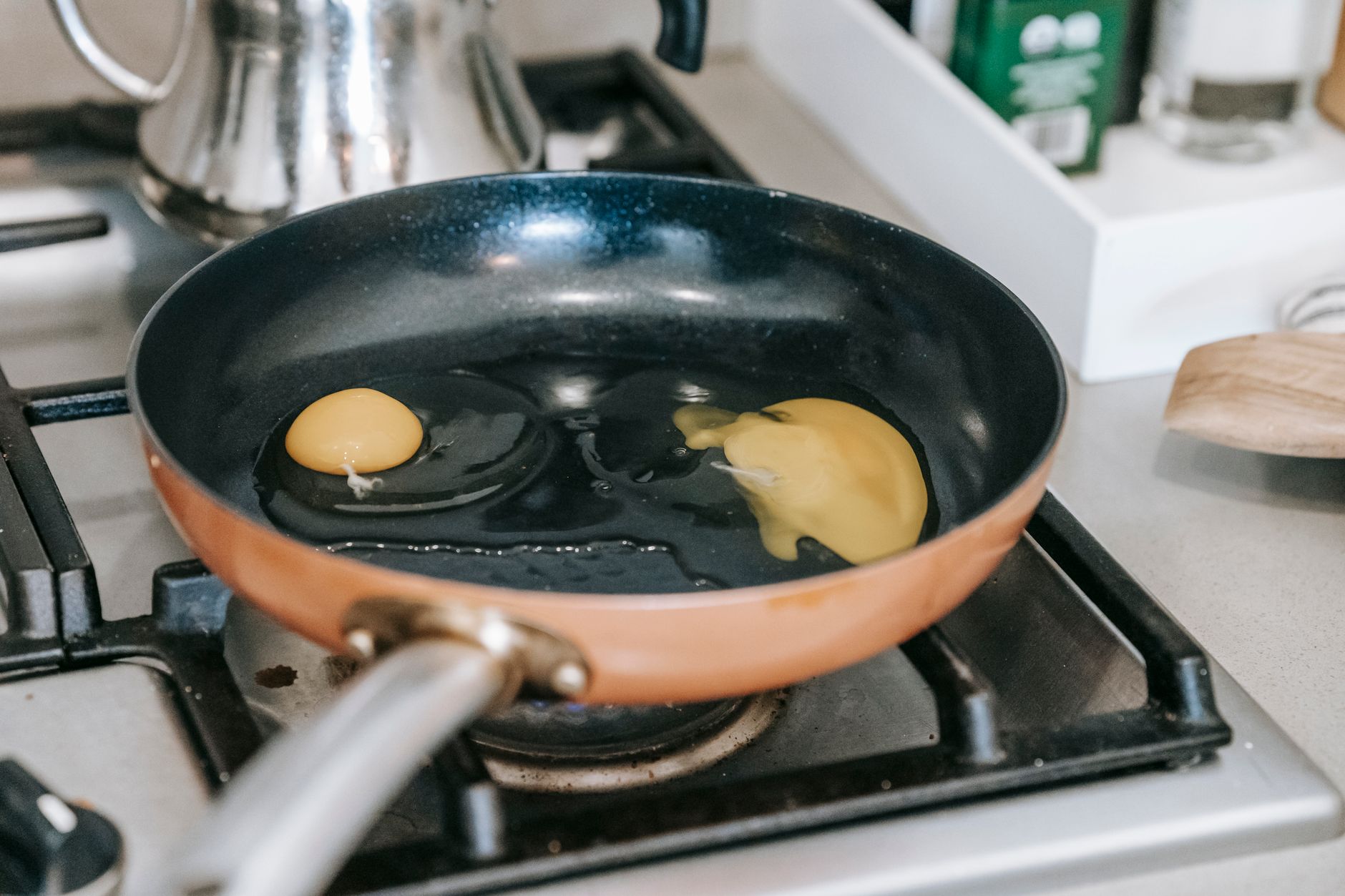
Quick Answer: The safest PFAS-free cookware brands for 2026 use uncoated cast iron, carbon steel, stainless steel, and verified ceramic nonstick. Avoid pans with PTFE or Teflon. Choose brands that state PFAS-free in writing, not just PFOA-free. Lodge, Le Creuset, Staub, GreenPan, Caraway, and Xtrema are commonly cited safer options. PFAS are a family of thousands of synthetic fluorinated chemicals. They resist heat, water, oil, and stains. That makes them useful in nonstick pans. But the same durability means they persist in the human body and the environment. The CDC found PFAS in the blood of 97% of Americans. Many people now want cookware that avoids these compounds altogether. You do not need a coated nonstick pan to cook eggs or fish. This guide explains the safer alternatives. ...

August 16, 2026 · 10 min · Jarrod Gravison
PFAS in Drinking Water: What You Need to Know in 2026

PFAS in Drinking Water: What You Need to Know in 2026

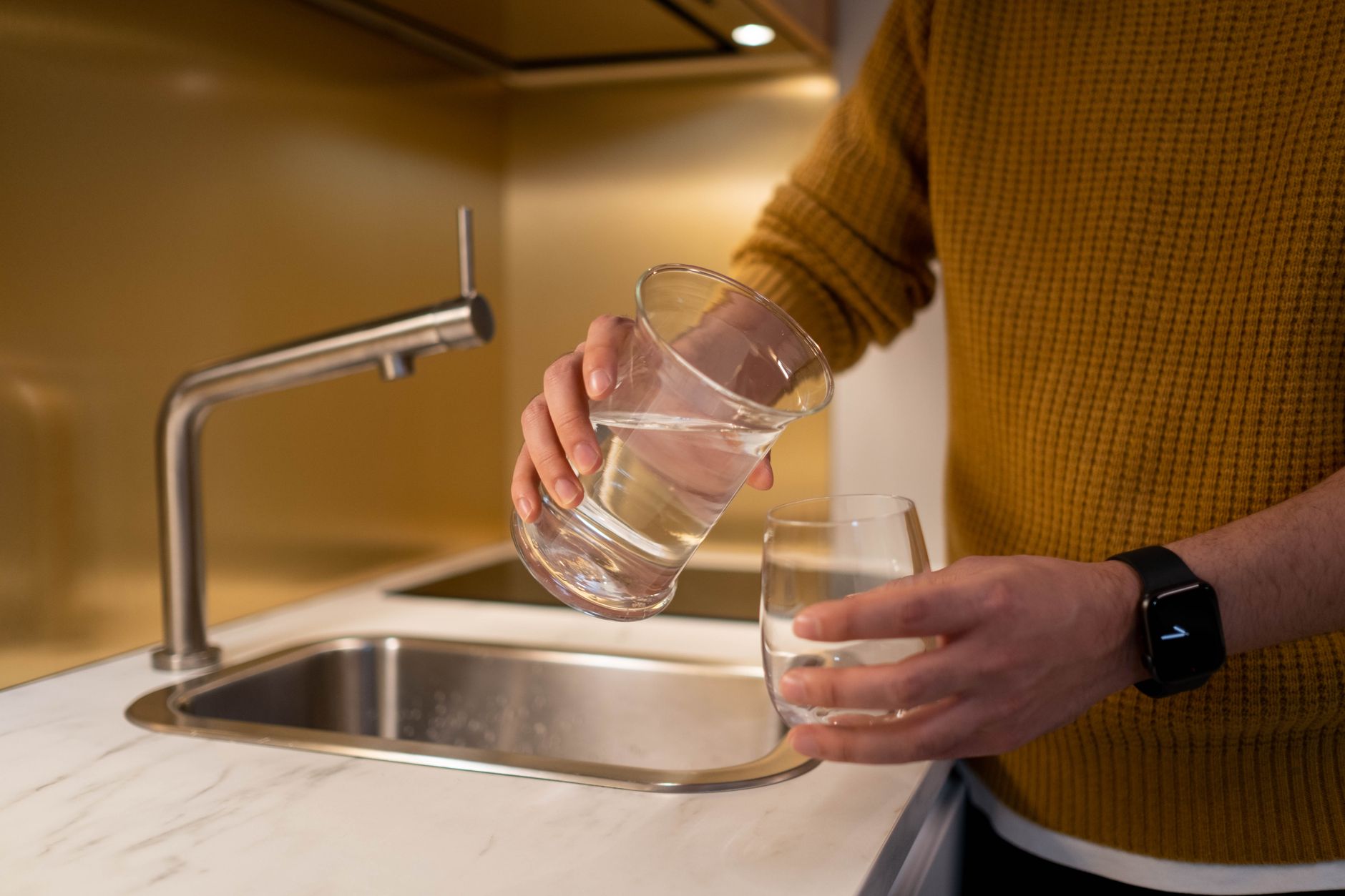
Quick Answer: PFAS are persistent synthetic chemicals found in many drinking water systems. In 2026, the EPA national limits are in the monitoring phase, with enforceable levels of 4 parts per trillion for PFOA and PFOS and 10 parts per trillion for several others. A certified activated carbon or reverse osmosis filter can reduce many PFAS, but no filter removes all of them. Most Americans have measurable PFAS in their blood. That is not a hypothetical warning. It reflects decades of industrial use, nonstick coatings, stain treatments, and firefighting foam that released persistent chemicals into air, soil, and water. PFAS are a family of thousands of synthetic compounds. They resist heat, oil, stains, and water, which made them valuable in manufacturing. The same carbon-fluorine bonds that make them useful also keep them from breaking down in the environment or the body. Drinking water has become one of the most studied exposure routes because trace amounts can reach so many people so quickly. ...

August 16, 2026 · 12 min · Jarrod Gravison
Non-Toxic Cleaning Products That Actually Work: 2026 Guide

Non-Toxic Cleaning Products That Actually Work: 2026 Guide

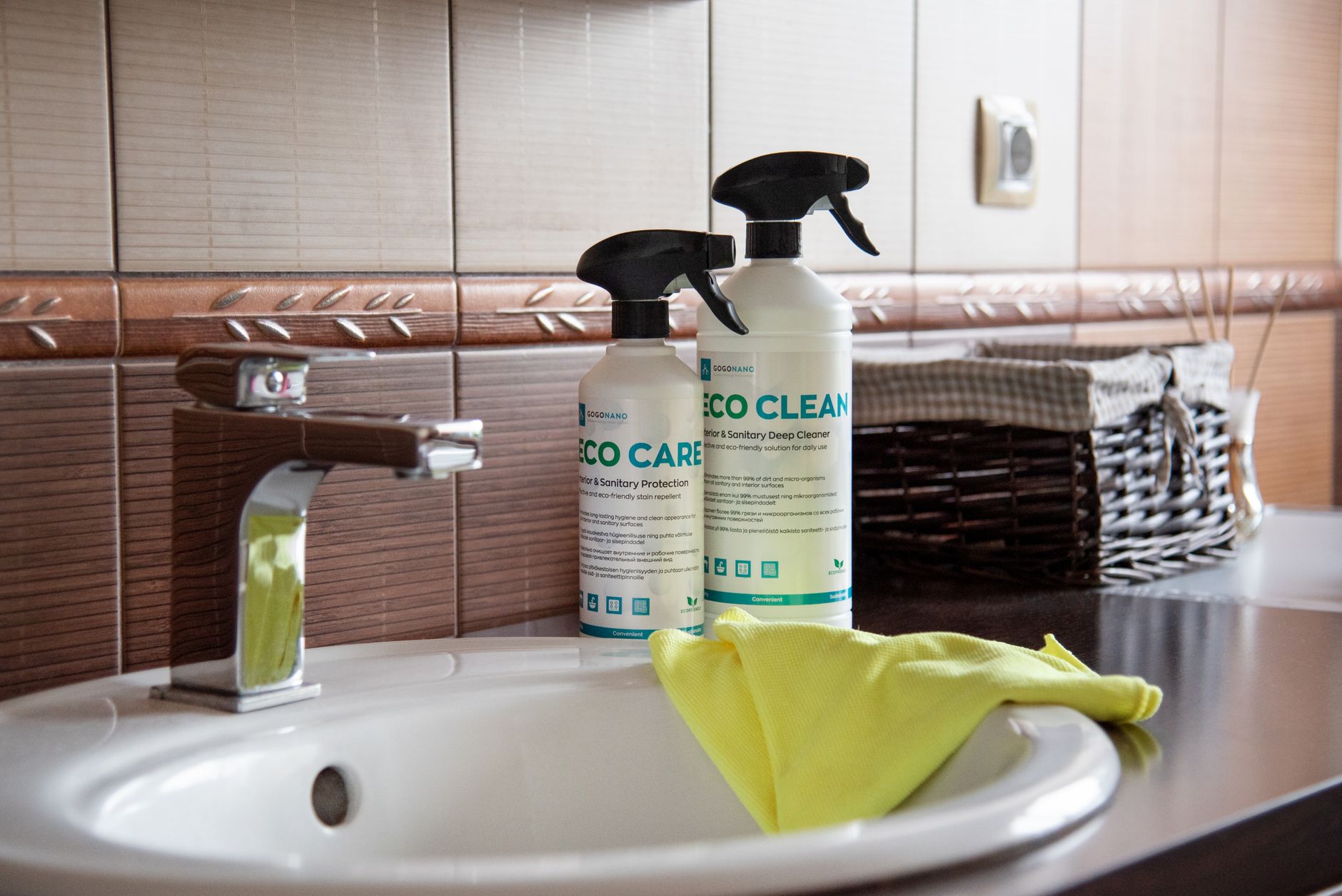
Quick Answer: The best non-toxic cleaning products that actually work combine transparent plant-based formulas, third-party certifications like EWG Verified or EPA Safer Choice, and real degreasing power. Top picks for 2026 include Branch Basics Concentrate, Attitude All-Purpose Cleaner, Blueland tablets, Dr. Bronner's Sal Suds, and Seventh Generation Free & Clear, all avoiding synthetic fragrance and harsh solvents. Most conventional cleaners get their fast grease-cutting power from ingredients that can leave behind more than shine. A single scented spray can release volatile organic compounds, or VOCs, into your indoor air. The CDC reports that indoor VOC levels can be two to five times higher than outdoor levels, especially after you spray a product. Synthetic fragrance often includes phthalates, a class of chemicals linked to hormone disruption. The EPA has also set health advisory levels of 0.004 parts per trillion for PFOA and 0.02 parts per trillion for PFOS in drinking water, a reminder that PFAS contamination is a serious environmental concern. Choosing better cleaning products is not about giving up performance. It is about picking formulas that work without adding these avoidable exposures. For more on reducing indoor emissions, see our best air purifiers for VOCs. ...

August 16, 2026 · 13 min · Jarrod Gravison
Non-Toxic Cleaning Products: What Actually Works (2026)

Non-Toxic Cleaning Products: What Actually Works (2026)

Quick Answer: Non-toxic cleaners do work when you match the product to the task. Branch Basics handles daily grease with plant-based surfactants. Force of Nature disinfects with hypochlorous acid. Bon Ami scrubs with minerals. Look for full ingredient disclosure and avoid undisclosed fragrance, quaternary ammonium compounds, and chlorinated VOCs. Most conventional cleaning products do a fine job on grease. They also leave behind volatile organic compounds, undisclosed fragrance chemicals, and preservatives that can irritate the lungs. The EPA has said indoor VOC levels often run 2 to 5 times higher than outdoor levels, and cleaning products are one contributor. EWG tested 80 household cleaners and found 1,4-dioxane in 65 of them. That chemical is listed under California Proposition 65 as a carcinogen, and it does not have to appear on a label. You do not need to accept that trade-off. Start with our EWG Skin Deep database guide to understand how ingredient ratings work. ...

August 16, 2026 · 11 min · Jarrod Gravison
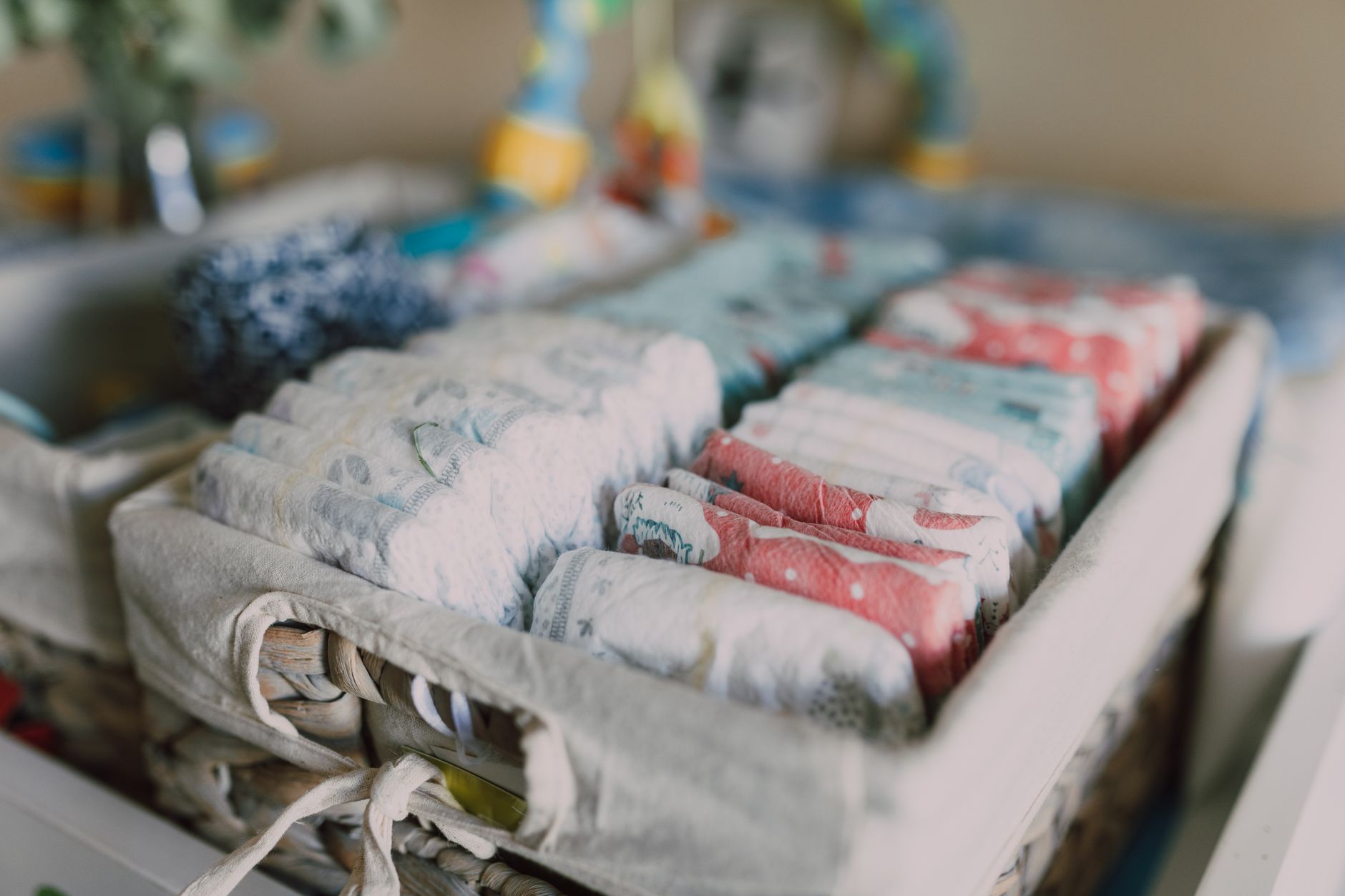
Non-Toxic Baby Products: Complete Guide for New Parents

Non-Toxic Baby Products: Complete Guide for New Parents

Quick Answer: Choose products made from uncoated organic cotton, solid wood, glass, food-grade silicone, and stainless steel. Skip synthetic fragrance, vinyl, and stain-repellent finishes. Look for GOTS, GOLS, GREENGUARD Gold, and EWG Verified. Start with the crib mattress, bottles, and diapers since babies spend the most time on or near those items. Many new parents assume that anything sold for a baby is safety tested. That assumption is wrong. Federal chemical laws in the United States do not require premarket safety testing for most baby product materials. A crib mattress can contain polyurethane foam, vinyl, and chemical flame retardants. A baby bottle can shed microplastics. Diapers can contain phthalates and volatile organic compounds. The Environmental Protection Agency (EPA) has set health advisories for two PFAS compounds in drinking water at levels below one part per trillion. Our PFAS in baby products guide explains why stain-resistant and waterproof claims deserve extra scrutiny. You do not need to test every item at home, but you do need a simple material framework. ...

August 16, 2026 · 13 min · Jarrod Gravison
How to Reduce Microplastics in Your Home: Room-by-Room Guide

How to Reduce Microplastics in Your Home: Room-by-Room Guide

Quick Answer: Microplastics accumulate from synthetic textiles, dust, and plastic food contact. Start with high-exposure rooms: vacuum with HEPA, filter drinking water, swap plastic food storage for glass or stainless steel, wash synthetics in a filter bag, and choose plastic-free personal care. Focus on daily habits rather than a perfectly plastic-free home. Microplastics are tiny plastic particles smaller than 5 millimeters, and they are now found in household dust, drinking water, food, and even human blood. Because most people spend the majority of their time indoors, the home is a major exposure route. Small changes in how you clean, cook, and shop can lower your overall contact. The goal of this guide is not to eliminate every plastic item overnight. It is to help you prioritize the swaps that matter most for daily exposure. For a deeper look at water treatment, see our guide to the best water filters for PFAS removal. ...

August 16, 2026 · 12 min · Jarrod Gravison
How to Use the EWG Skin Deep Database to Check Your Products

How to Use the EWG Skin Deep Database to Check Your Products

Quick Answer: Use the EWG Skin Deep database to search any product or ingredient by name. Review the 1 to 10 hazard score, read the ingredient breakdown, and focus on products with scores of 1 to 2 for daily use. Cross-check with FDA and product labels before deciding. The Environmental Working Group launched Skin Deep in 2004 to close a major data gap. Most personal care products enter the market without government safety approval. The FDA does not require cosmetic ingredients to be reviewed before sale, except for most color additives. This means a body wash, lotion, or shampoo can contain chemicals with limited public toxicity data. The Environmental Working Group built Skin Deep to match product labels and ingredient lists to peer reviewed studies. It gives each product and ingredient a hazard score from 1 to 10. A score of 1 is low hazard. A score of 10 is high hazard. The goal is to show what the label does not say. ...

August 16, 2026 · 12 min · Jarrod Gravison
Best Water Filters for PFAS Removal 2026

Best Water Filters for PFAS Removal 2026

Quick Answer: The best PFAS water filters use certified activated carbon or reverse osmosis. Our top pick for most homes is the Clearly Filtered pitcher, with the Aquasana AQ-5200 under-sink and Waterdrop G3P800 reverse osmosis close behind. Verify NSF/ANSI 53 or 58 certification before you buy. PFAS contamination in drinking water is no longer a niche concern. In April 2024, the US Environmental Protection Agency finalized the first national drinking water standard for six PFAS chemicals. The rule set maximum contaminant levels at 4 parts per trillion for PFOA and PFOS, with stricter non-detect goals for GenX and PFBS. You can read the details on the EPA PFAS page. Many municipal systems are still working toward compliance, which means a home filter is the fastest way to cut your daily exposure. Our team reviewed systems with independent certification, not just marketing claims. ...

August 16, 2026 · 11 min · Jarrod Gravison
Best Non-Toxic Mattress 2026: No Flame Retardants, No Off-Gassing

Best Non-Toxic Mattress 2026: No Flame Retardants, No Off-Gassing

Quick Answer: The best overall non-toxic mattress is the Avocado Green Mattress. It pairs GOLS-certified organic latex with GOTS-certified organic cotton and wool, and holds GREENGUARD Gold certification for low emissions. Naturepedic EOS Classic wins for customizable firmness. Birch and Awara deliver budget-friendly latex hybrids. All five picks avoid polyurethane-heavy foam, chemical flame retardants, and fiberglass. Most conventional mattresses are built from layers of polyurethane foam, synthetic adhesives, and chemical flame retardants. When you unwrap one, that sharp smell is off-gassing, a mix of volatile organic compounds including toluene, styrene, and formaldehyde. You spend roughly one-third of your life on that surface. The Centers for Disease Control and Prevention notes that certain brominated flame retardants, once widely used in mattress foam, can accumulate in blood and breast milk and have been associated with thyroid disruption. In 2026, the best non-toxic options use natural latex, wool, and cotton instead. ...

August 16, 2026 · 10 min · Jarrod Gravison
Best Non-Toxic Laundry Detergents 2026: EWG-Verified Picks

Best Non-Toxic Laundry Detergents 2026: EWG-Verified Picks

Quick Answer: Choose EWG-Verified laundry detergents that disclose every ingredient and skip fragrance. Top picks include Meliora Laundry Powder, Attitude Fragrance-Free Liquid, and AspenClean Unscented. These avoid phthalates, VOCs, and undisclosed fragrance blends while still removing stains. Check the comparison table for cost per load and packaging trade-offs. Most conventional laundry detergents are not just soap. They can carry synthetic fragrance, preservatives, optical brighteners, and solvent residues that end up on clothes, towels, and bedding. The concern is not only skin contact. It is the long term exposure to chemicals that are not fully disclosed. The CDC’s national biomonitoring program has detected phthalate metabolites in over 90 percent of the US population tested. Since fragrance mixtures often contain phthalates to make scent last, skipping fragrance is one of the easiest ways to lower your daily chemical load. But a bottle that says free and clear is not automatically safer. That is why we focus on detergent brands that submit to a stricter standard. ...

August 16, 2026 · 11 min · Jarrod Gravison
Best Non-Toxic Food Storage 2026: Glass, Stainless, and BPA-Free Options

Best Non-Toxic Food Storage 2026: Glass, Stainless, and BPA-Free Options

Quick Answer: Glass and stainless steel containers are the safest picks. Choose platinum silicone for reusable bags. Avoid plastic unless it is third-party tested and truly free of bisphenols and phthalates. Remove plastic lids before heating. Check for FDA food-contact compliance and look for EU LFGB or similar test results. Food storage often gets less scrutiny than cookware, but it touches every meal. Plastics can leach BPA, phthalates, and other additives into leftovers, especially when heated or stained with acidic sauces. The EPA now enforces a drinking water limit of 4.0 parts per trillion for PFOA and PFOS, but food containers are not regulated the same way. That gap puts more responsibility on shoppers. We focused on materials with the fewest known leachables for 2026. If you want to cut PFAS exposure from water too, see our PFAS in drinking water guide. ...

August 16, 2026 · 10 min · Jarrod Gravison
Best Non-Toxic Cookware 2026: PFAS-Free Pans Ranked

Best Non-Toxic Cookware 2026: PFAS-Free Pans Ranked

Quick Answer: The safest 2026 cookware avoids PFAS, PFOA, and PTFE. Our top pick is GreenPan Reserve for ceramic nonstick, Made In stainless for durability, and Lodge cast iron for budget. All picks are free of forever chemicals, and many avoid BPA, phthalates, and VOCs in coatings. Cookware labels can lie. A pan stamped ‘PFOA-free’ may still contain PTFE, the fluoropolymer used in Teflon. The CDC’s national biomonitoring program has detected PFAS compounds in the blood of 97 percent of Americans. These chemicals do not break down easily. In 2024, the EPA finalized enforceable drinking water limits of 4 parts per trillion for PFOA and PFOS, a sign that regulators finally treat low-level PFAS exposure as a health risk. Your frying pan is not the only source, but it can be an avoidable one. Before buying any nonstick pan, read our PFAS in cookware guide. ...

August 16, 2026 · 11 min · Jarrod Gravison
Best Air Purifiers for VOCs and Formaldehyde 2026

Best Air Purifiers for VOCs and Formaldehyde 2026

Quick Answer: The best air purifiers for VOCs and formaldehyde use deep activated carbon or carbon-zeolite media, not just HEPA. Top picks include the IQAir HealthPro Plus, Austin Air HealthMate Plus, and Airpura C600. Source control and ventilation come first, but high carbon bed mass matters most for chemical gases. Formaldehyde and other volatile organic compounds are the reason a new mattress, cabinet, or paint job can make indoor air feel sharp. The Centers for Disease Control and Prevention warns that formaldehyde can irritate the eyes, nose, and throat, and sensitive people may notice symptoms at levels below 0.1 parts per million. That is not a rare problem. Indoor air testing in newer homes often finds bedrooms that exceed California’s chronic reference exposure level for formaldehyde of 9 micrograms per cubic meter, roughly 7 parts per billion. Source control is the first step, but a well designed purifier with deep activated carbon can be a useful second layer. Check our guide to non-toxic cleaning products before masking the problem with a machine. ...

August 16, 2026 · 11 min · Jarrod Gravison
PFAS in Cookware: What the Science Actually Says

PFAS in Cookware: What the Science Actually Says

Quick Answer: PFAS are synthetic chemicals used in some nonstick coatings. They can migrate into food when pans overheat, scratch, or degrade. Health agencies link long-term exposure to immune and liver effects. Choose explicitly PFAS-free cookware and avoid damaged nonstick pans to reduce your total exposure. Nonstick pans feel like an everyday shortcut. Eggs slide, oil use drops, and cleanup takes seconds. But that convenience has a chemical backstory. Some nonstick coatings belong to a family called per- and polyfluoroalkyl substances, or PFAS. These compounds resist heat, oil, and water, which makes them useful in kitchens and factories. The Environmental Protection Agency describes PFAS as widely used, long lasting chemicals that build up in people and the environment. For home cooks, the central issue is not that all cookware is dangerous. The issue is understanding what actually moves from the coating to your food and at what dose. Science gives us a clearer picture than headlines often suggest. ...

August 16, 2026 · 12 min · Jarrod Gravison