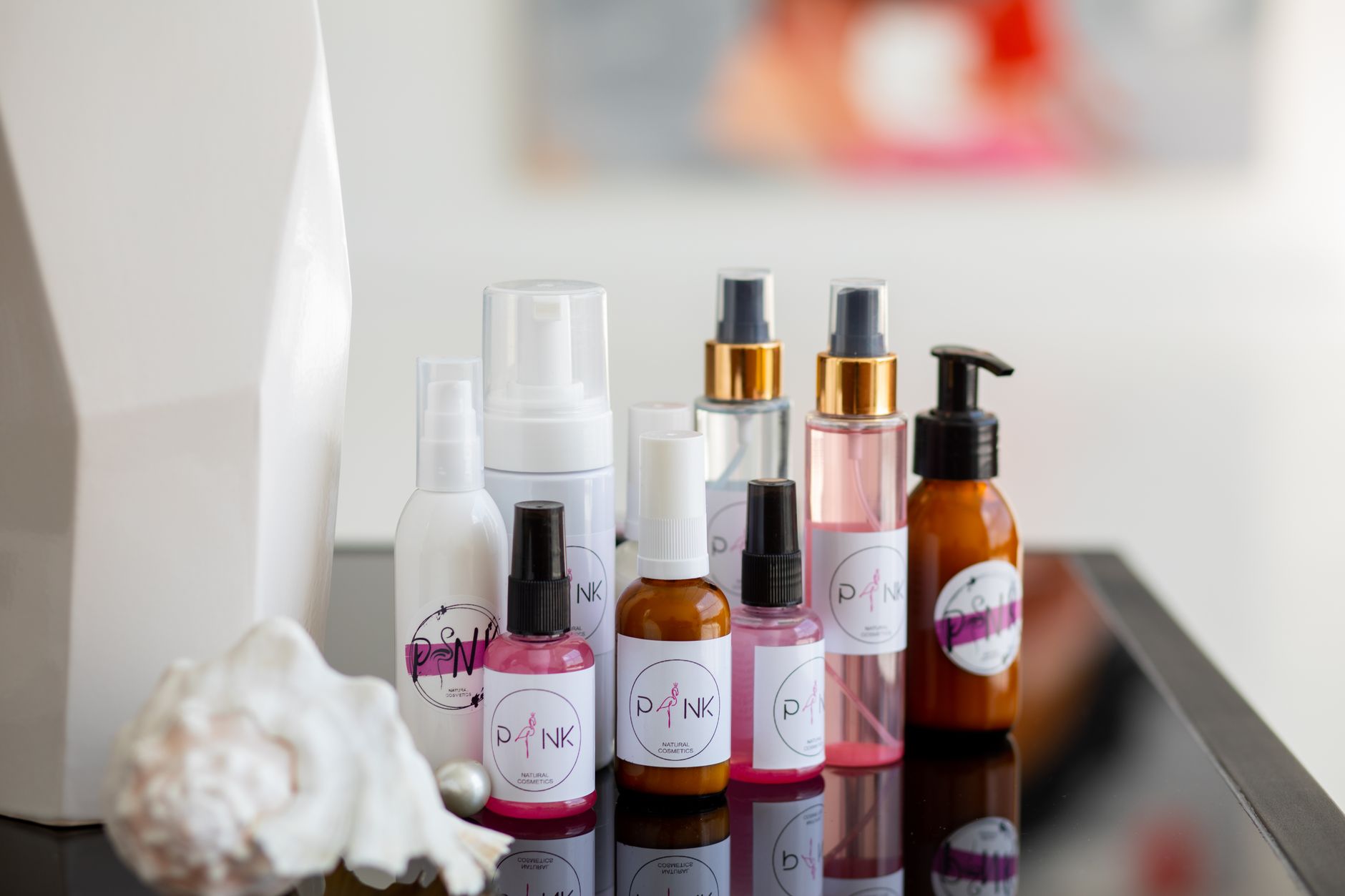
Toxic Chemicals in Personal Care Products: What to Avoid

Toxic Chemicals in Personal Care Products: What to Avoid

Quick Answer: Avoid parabens, phthalates, formaldehyde releasers, PFAS, and synthetic fragrance. Check ingredient labels for these terms. Prefer fragrance-free, paraben-free, and EWG Verified products. The FDA does not require premarket safety testing for most cosmetics, so consumer label reading is essential. Your morning routine may expose you to far more than clean skin and fresh scent. The average adult uses 6 to 12 personal care products daily, according to the Environmental Working Group. That ritual can add up to more than 100 unique ingredients before breakfast. Some of those ingredients are linked to hormone disruption, skin irritation, and longer term health concerns. Cosmetic regulations in the United States have not changed much since 1938. The FDA does not require premarket safety testing for most beauty products. That means label reading is your first line of defense. ...
August 16, 2026 Â· 10 min Â· Jarrod Gravison
How to Use the EWG Skin Deep Database to Check Your Products

How to Use the EWG Skin Deep Database to Check Your Products

Quick Answer: Use the EWG Skin Deep database to search any product or ingredient by name. Review the 1 to 10 hazard score, read the ingredient breakdown, and focus on products with scores of 1 to 2 for daily use. Cross-check with FDA and product labels before deciding. The Environmental Working Group launched Skin Deep in 2004 to close a major data gap. Most personal care products enter the market without government safety approval. The FDA does not require cosmetic ingredients to be reviewed before sale, except for most color additives. This means a body wash, lotion, or shampoo can contain chemicals with limited public toxicity data. The Environmental Working Group built Skin Deep to match product labels and ingredient lists to peer reviewed studies. It gives each product and ingredient a hazard score from 1 to 10. A score of 1 is low hazard. A score of 10 is high hazard. The goal is to show what the label does not say. ...

August 16, 2026 Â· 12 min Â· Jarrod Gravison