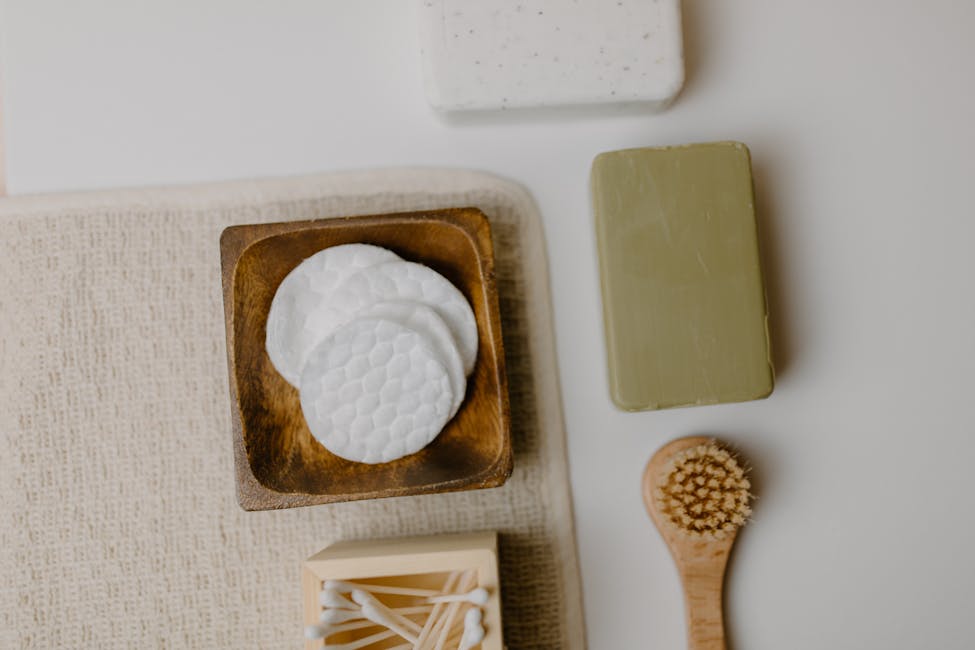
The average American uses 10+ personal care products per day — shampoo, conditioner, soap, lotion, toothpaste, deodorant, makeup. These products are applied to skin, which absorbs a portion of what's put on it. The chemicals in these products aren't neutral.
The US personal care industry is largely self-regulated. The FDA does not review cosmetics for safety before they hit market. The EU bans or restricts over 1,400 chemicals from cosmetics; the US restricts 11. Understanding what's in your products — and what it means — requires doing some of the research yourself.
The Big Five Chemicals to Watch For
1. Parabens
Parabens (methylparaben, ethylparaben, propylparaben, butylparaben) are synthetic preservatives used to prevent bacterial and fungal growth in personal care products. They work by mimicking estrogen — binding to estrogen receptors in the body.
Research has detected parabens in breast tumor tissue, urine samples, and breast milk. The NIH's National Institute of Environmental Health Sciences classifies parabens as endocrine-disrupting compounds. The EU restricts propylparaben and butylparaben in leave-on cosmetics for children under 3; the US has no such restriction. Precautionary avoidance is reasonable given the evidence.
2. Phthalates
Phthalates are used as plasticizers and fragrance fixatives. They're linked to hormonal disruption, reduced testosterone, and reproductive harm in animal studies. Human epidemiological research links phthalate exposure to lower sperm count, altered genital development in male infants, and early puberty in girls.
The tricky part: phthalates often appear in personal care products as components of "fragrance" — a trade-secret designation that doesn't require listing on labels. This makes them difficult to detect and avoid without third-party testing.
3. Synthetic Fragrance
"Fragrance" or "parfum" on an ingredient label is a legal loophole that can represent a blend of dozens to hundreds of undisclosed chemicals. The International Fragrance Association lists over 3,000 chemicals used in fragrance formulations — many of them sensitizers, allergens, or endocrine disruptors.
The simplest avoidance strategy: choose products labeled fragrance-free (not "unscented" — unscented products can still contain fragrance chemicals used to mask odors). For fragrance-essential products like perfume, look for brands that disclose their ingredients fully.
4. Formaldehyde-Releasing Preservatives
Several common preservatives slowly release formaldehyde as they break down. The American Cancer Society notes that formaldehyde is a known human carcinogen. Preservatives to watch for:
- DMDM hydantoin
- Quaternium-15
- Imidazolidinyl urea
- Diazolidinyl urea
- Sodium hydroxymethylglycinate
5. PFAS in Cosmetics
PFAS (per- and polyfluoroalkyl substances) appear in some waterproof and long-wear cosmetics — including foundations, mascaras, and lip products — where they're used for their water and oil-repelling properties. A 2021 study in Environmental Science & Technology Letters found PFAS in 56% of cosmetics sampled. The Safe Chemicals Coalition tracks this issue.
The Regulatory Gap
The gap between EU and US cosmetic regulation is significant. The EU bans or restricts over 1,400 chemicals from cosmetics under the Cosmetics Regulation. US regulation under the Federal Food, Drug, and Cosmetic Act restricts 11 chemicals. This regulatory difference means that many products sold in the US contain ingredients prohibited in the EU.
How to Check Your Products
The most practical tool for checking personal care product safety is the EWG Skin Deep database, which rates over 90,000 products on a 1-10 hazard scale. Products rated 1-2 are low concern; 7-10 are high concern. Learn how to use it in our step-by-step EWG Skin Deep guide.
The Think Dirty app lets you scan products with your phone's camera for real-time ratings. The Campaign for Safe Cosmetics maintains a list of brands that have signed their "compact for safe cosmetics" — committing to phasing out restricted chemicals.
Safer Personal Care: Practical Swaps
You don't need to overhaul your entire routine at once. Start with the products you use most and leave on your skin:
- Body lotion: Choose fragrance-free with no parabens. Brands like Every Man Jack, Vanicream, and CeraVe (fragrance-free line) rate well on EWG.
- Shampoo/conditioner: Avoid DMDM hydantoin and synthetic fragrance. Briogeo, Acure, and SheaMoisture fragrance-free lines are reasonable options.
- Deodorant: Avoid aluminum zirconium (linked to potential concerns though evidence is contested) and synthetic fragrance. Brands like Native (fragrance-free) and Schmidt's rate well.
- Sunscreen: Mineral sunscreens (zinc oxide, titanium dioxide) are preferable to chemical sunscreens (oxybenzone, octinoxate) — which are absorbed through skin and detected in blood at significant levels.
For a systematic approach, see our guide to reducing chemical exposures across your home, and use the EWG database to audit your products category by category.
Recommended Products
Frequently Asked Questions
Related Resources
- Hard water filtration and water quality guides Your water supply matters as much as your materials.
What are the most harmful chemicals in personal care products?
The most concerning chemicals include parabens (endocrine disruptors used as preservatives), phthalates (plasticizers and fragrance fixatives linked to hormonal disruption), formaldehyde-releasing preservatives (DMDM hydantoin, quaternium-15), synthetic fragrance (can contain dozens of undisclosed chemicals), and PFAS found in some waterproof cosmetics.
Are parabens in cosmetics dangerous?
Parabens have weak estrogenic activity and have been detected in breast tumor tissue, though causality has not been established. The EU restricts certain parabens in cosmetics for children; the US does not. Many brands now offer paraben-free formulations as a precautionary measure.
What does "fragrance" or "parfum" on an ingredient label mean?
"Fragrance" or "parfum" is a legal trade secret that can represent dozens to hundreds of undisclosed chemicals. Many synthetic fragrances contain phthalates used as fixatives. Choosing "fragrance-free" products avoids this entire category.
How do I find safe personal care products?
The EWG Skin Deep database rates over 90,000 products on a 1-10 hazard scale. Products rated 1-2 are low hazard. The Think Dirty app provides similar scanning functionality. Look for products with short ingredient lists and no synthetic fragrance, parabens, or formaldehyde-releasing preservatives.
Get weekly guides from ToxinFreeMaterials
No spam. Unsubscribe anytime.