Microplastics are tiny plastic particles smaller than 5 millimeters, and they are now found in household dust, drinking water, food, and even human blood. Because most people spend the majority of their time indoors, the home is a major exposure route. Small changes in how you clean, cook, and shop can lower your overall contact. The goal of this guide is not to eliminate every plastic item overnight. It is to help you prioritize the swaps that matter most for daily exposure. For a deeper look at water treatment, see our guide to the best water filters for PFAS removal.
Research suggests that microplastics can carry chemical additives such as bisphenol A (BPA) and phthalates. These chemicals can migrate from plastic into dust, food, and water. The Environmental Protection Agency (EPA) tracks PFAS and other persistent pollutants, while the Environmental Working Group (EWG) offers tap water and product databases. No home can be completely plastic-free, but evidence-based swaps reduce the largest sources. Many of these changes also improve indoor air quality and lower your exposure to volatile organic compounds.
A practical room-by-room approach works because different rooms produce different types of microplastic pollution. The kitchen is dominated by food-contact plastics and water. The laundry room is a major source of synthetic microfibers. The bedroom off-gasses from synthetic mattresses, pillows, and dust-collecting textiles. Start with the highest-use areas and work outward. Addressing each room in a logical order prevents overwhelm. It also helps you see measurable changes quickly, like less dust on surfaces or better-tasting filtered water.
One of the most useful data points comes from a 2018 study that found microplastics in 93 percent of bottled water samples. Another study estimates that a single load of polyester laundry can shed up to 700,000 microfibers. These numbers show that individual actions have real downstream effects. By reducing plastic use at the source, you protect your household and reduce the amount of microplastic entering wastewater and the environment. The steps below follow a sequence from high-exposure to lower-exposure rooms.
What You’ll Need
- HEPA vacuum
- Damp mop or cloth
- NSF-certified water filter
- Glass or stainless food storage containers
- Guppyfriend washing bag
How Do You Reduce Microplastics in Your Home?
- Start with household dust: vacuum with HEPA and damp-mop weekly
Household dust is not just dirt. It contains microplastic fibers from clothing, upholstery, and packaging. It can also carry phthalates and flame retardants that bind to dust particles. You inhale these fine particles when they become airborne. A dry cloth or standard broom can recirculate dust instead of removing it. That is why the first step is to upgrade your cleaning routine. Use a vacuum with a sealed HEPA filter and a damp microfiber or cotton cloth.
Vacuum at least twice a week in high-traffic rooms. Pay attention to carpets, rugs, and under furniture. A HEPA filter traps particles as small as 0.3 microns, including many microplastic fragments. Standard vacuums without HEPA may exhaust fine dust back into the room. If you have hard floors, use a damp mop after vacuuming. This picks up the finest particles that vacuum suction misses.
Common mistake: using feather dusters or dry electrostatic cloths. These can flick particles into the air where you breathe them. Instead, wipe surfaces with a slightly damp cloth. Wash reusable cleaning cloths regularly in hot water. If you have pets or live near a busy road, increase vacuuming frequency. This one habit reduces the amount of microplastic-laden dust that settles on food surfaces and bedding.
- Filter your drinking and cooking water
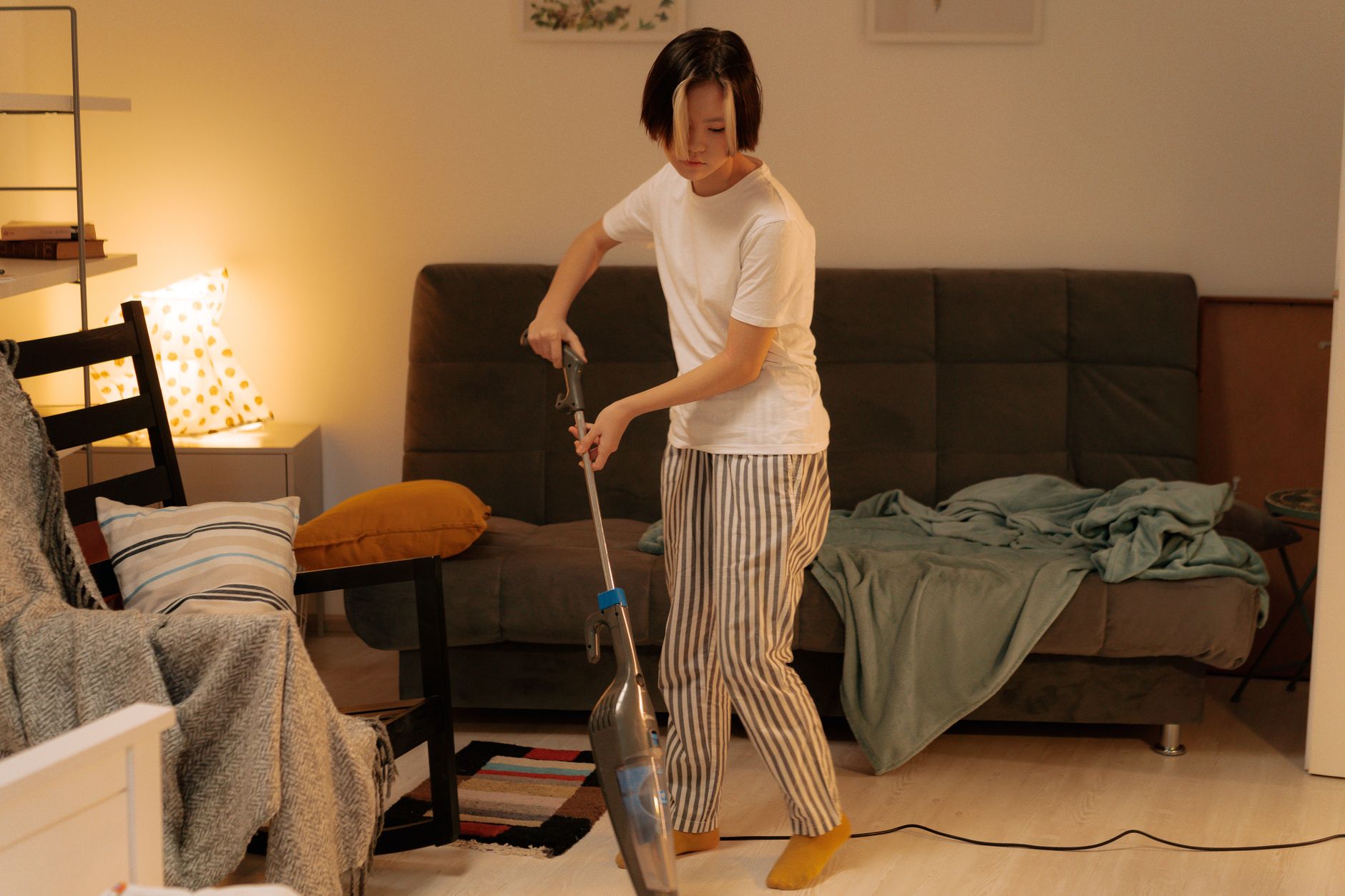
Microplastics have been found in tap water, bottled water, and even well water. A 2018 study detected microplastic particles in 93 percent of bottled water samples. That does not mean tap water is automatically safer, but it means you need to think about your water source and treatment. A high-quality water filter can reduce both microplastics and chemical contaminants like PFAS. Federal health advisories cover several PFAS compounds in drinking water.
Choose a filter certified to NSF standards for particulate or microplastic reduction. Reverse osmosis systems, distillation units, and some carbon block filters are effective. A simple pitcher filter may not remove the smallest particles. Local water quality databases can show what contaminants are reported in your area. If you cook with water, use filtered water for soups, rice, and coffee.
For a countertop option, the ZeroWater 10-Cup Pitcher is often tested for total dissolved solids and microplastic reduction. Check the ZeroWater 10-Cup Pitcher on Amazon. Replace filter cartridges on schedule because a saturated filter can release trapped contaminants back into the water. Common mistake: assuming bottled water is pure. It is often packaged in plastic and may contain particles from the bottle itself.
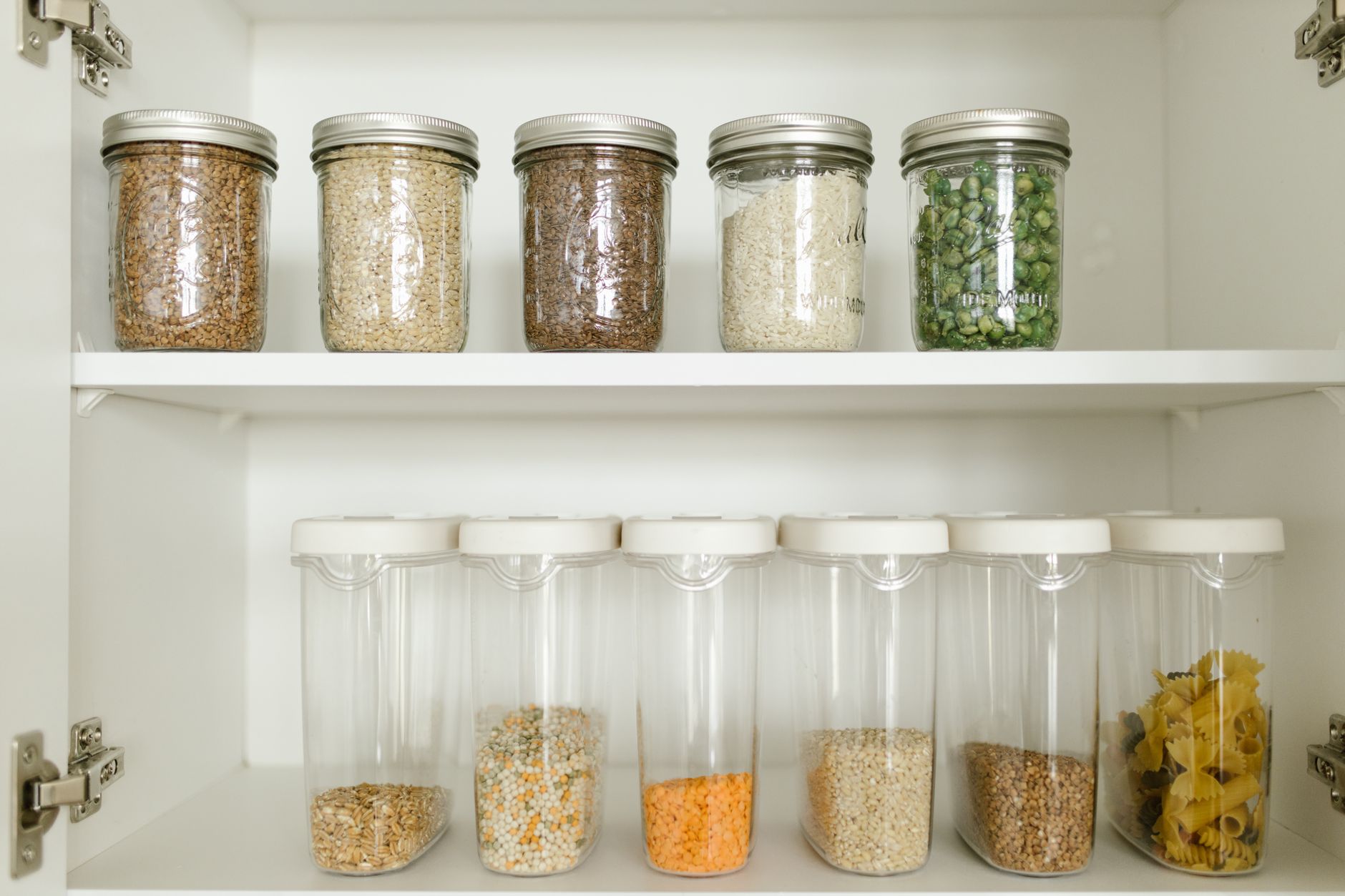
- Swap plastic food storage and utensils for glass, stainless, or wood
The kitchen is a major source of microplastic exposure because plastic containers, utensils, and wrap touch food every day. Heating plastic in the microwave accelerates the release of chemical additives and microscopic particles. Scratched or cloudy plastic is even more likely to shed particles. Replace the items you use most often first. Glass, stainless steel, and untreated wood are safer choices for food contact. Our guide to non-toxic food storage reviews the best glass and steel sets.
BPA-free plastic is not automatically safer. Some replacements, such as bisphenol S (BPS), may have similar hormone-disrupting effects. The safest approach is to reduce plastic food contact altogether. Use glass containers with silicone or bamboo lids, stainless steel lunch boxes, and wooden cutting boards. For hot food storage, choose borosilicate glass like Pyrex. Check the Pyrex 18-Piece Glass Storage Set on Amazon.
Pay attention to utensils too. Black plastic spatulas and spoons may contain recycled electronic plastics with flame retardants. Replace them with wood or stainless steel. Start with items used for hot food, acidic food, or long storage. Label glass containers with masking tape to avoid losing lids.
- Rethink cookware and bakeware: avoid nonstick coatings
Nonstick pans are convenient, but many are made with polytetrafluoroethylene (PTFE), a type of PFAS. When heated above 500 degrees Fahrenheit, PTFE coatings can break down and release fumes and particles. Scratched nonstick cookware can also flake tiny pieces into food. This is a direct source of microplastic and chemical exposure. Our guide to PFAS in cookware explains the health concerns in detail.
Safer alternatives include cast iron, carbon steel, stainless steel, and 100 percent ceramic cookware. Cast iron adds a small amount of dietary iron but requires seasoning. Stainless steel is durable and inert. For baking, replace nonstick muffin tins and baking sheets with uncoated aluminum or glass. If you must use nonstick, never preheat an empty pan, use low to medium heat, and replace it as soon as the surface scratches.
Common mistake: assuming ‘PFOA-free’ means PFAS-free. PFOA is one of many PFAS compounds, and replacements may still be fluorinated. Look for brands that explicitly state ‘PFAS-free’ or ’no fluorinated compounds.’ The goal is not to throw away every pan immediately. Retire the most scratched nonstick pieces first, especially the ones you use daily.
- Upgrade laundry habits to catch synthetic fibers
Synthetic fabrics like polyester, nylon, and acrylic are forms of plastic. Every time you wash them, they shed tiny microfibers. One study estimates that a single polyester fleece can release up to 700,000 fibers in one wash. Those fibers go down the drain and often pass through wastewater treatment into rivers and oceans. They also stick to other clothes and can become airborne in your laundry room.
The easiest solution is to wash synthetic items less often and use a microfiber-catching bag. The Guppyfriend Washing Bag traps fibers that break off during agitation. Check the Guppyfriend Washing Bag on Amazon. After washing, remove the collected fibers and place them in the trash, not the sink. Wash synthetic items in cold water on a gentle cycle. Use liquid detergent rather than powder, because powder can scrub fibers loose.
When buying new clothes, choose natural fibers such as cotton, linen, wool, and hemp. These fibers still shed but they biodegrade. For activewear that must be synthetic, choose tightly woven fabrics and avoid fuzzy fleece. Our guide to the best non-toxic laundry detergents helps you avoid harsh chemicals that break down fibers faster. Common mistake: overloading the machine increases friction and shedding. Fill the drum only three-quarters full.
- Choose natural-fiber bedding, rugs, and upholstery where possible
Your bedroom can be a major microplastic source because you spend hours there each night. Synthetic mattress covers, polyester pillows, and microfiber sheets shed fibers as you move. These particles accumulate in bed and in bedroom dust. Over time, you inhale them while sleeping. One practical step is to choose bedding made from natural fibers. Cotton, linen, wool, and hemp are breathable and release fewer synthetic particles.
Many conventional mattresses are wrapped in polyester and polyurethane foam. When buying a new mattress, look for wool or cotton covers and natural latex cores. Our guide to the best non-toxic mattresses compares options that avoid fiberglass and flame-retardant chemicals. If replacing a mattress is not in your budget, add a tightly woven cotton mattress encasement. Wash bedding weekly in hot water to reduce dust and microplastic buildup.
Area rugs are another overlooked source. Synthetic rugs made from polypropylene or nylon shed fibers into the floor dust you already vacuum. Choose wool, jute, or cotton rugs instead. In the living room, opt for natural-fiber upholstery or use washable cotton slipcovers. Common mistake: assuming ‘microfiber’ is a natural material. Microfiber is usually polyester or nylon and sheds heavily. Check furniture labels before buying.
- Detox personal care and cleaning products
Personal care products can contain microplastics in the form of microbeads and glitter. These are intentionally added to some toothpastes, face scrubs, and body washes. The FDA has phased out plastic microbeads in rinse-off cosmetics, but they still appear in some imported products. More common are hidden liquid plastics and synthetic polymers used as thickeners. Our EWG Skin Deep database guide can help you screen products.
Fragrance is another red flag. The word ‘fragrance’ or ‘parfum’ on a label can hide phthalates and synthetic musks. These chemicals are not microplastics themselves, but they are often added to plastic-based formulas and can leach from packaging. Choose fragrance-free or naturally scented products. For cleaning, avoid scrubbing agents with plastic beads.
Cleaning products themselves rarely contain microplastics, but plastic packaging can contribute to household dust as bottles degrade. Switch to concentrated refills, glass bottles, or solid cleaning bars. Avoid disposable disinfecting wipes, which are often made from polyester and shed fibers onto surfaces. A reusable cotton cloth with a nontoxic spray works just as well.
- Audit children’s toys, baby gear, and plastic-heavy items
Children are more vulnerable to microplastic and chemical exposure because they put objects in their mouths and breathe faster relative to body weight. Plastic teethers, bottles, and toys can leach additives such as BPA, phthalates, and PFAS. Replace the items your child uses most often first. Silicone, natural rubber, and untreated wood are safer alternatives.
Baby bottles and sippy cups are high-priority swaps because they hold warm liquids. Glass bottles with silicone sleeves or stainless steel cups reduce microplastic release. For toys, choose unpainted wood, food-grade silicone, or organic cotton. Avoid soft plastic toys that feel sticky or have a strong chemical smell.
Common mistake: assuming all ’natural’ marketed toys are safe. Some natural rubber toys still contain synthetic fillers. Look for third-party certifications like GOTS for textiles or Made Safe for toys. Also check the condition of existing plastic toys. Scratched or chewed plastic should be retired because the surface damage releases more particles. This step connects to the rest of your home because children crawl on floors and inhale the dust you are already working to reduce.
Red Flags & Warnings
- 🚨 Do not microwave plastic containers, even if the label says ‘microwave safe.’ Heat accelerates leaching of BPA, phthalates, and microplastic particles.
- 🚨 Avoid ‘fragrance’ or ‘parfum’ on cleaning and personal care labels. These can hide phthalates and synthetic musks linked to hormone disruption.
- 🚨 Beware of ‘BPA-free’ claims. Substitute bisphenols such as BPS and BPF may have similar endocrine-disrupting effects.
- 🚨 Do not assume bottled water is microplastic-free. Studies have found particles in most bottled brands, likely from packaging and bottling.
- 🚨 Never dry-sweep or use a feather duster on hard floors. This stirs microplastic-laden dust into the air instead of removing it.
- 🚨 Retire scratched nonstick cookware immediately. The coating can flake into food and release PFAS fumes when overheated.
Frequently Asked Questions
What are microplastics?
Microplastics are plastic particles smaller than 5 millimeters. They come from the breakdown of larger plastic items, synthetic clothing fibers, and intentionally added microbeads. In the home, they accumulate in dust, water, and food.
Can a water filter remove microplastics?
Yes, some filters can reduce microplastics. Look for NSF certification for particulate reduction, reverse osmosis, or distillation. Pitcher filters may help but are less effective for the smallest particles.
Is BPA-free plastic safe?
Not necessarily. BPA-free products often use replacement bisphenols like BPS or BPF that may have similar hormone-disrupting effects. The safest approach is to reduce plastic food contact altogether.
How often should I vacuum to reduce microplastic dust?
Vacuum high-traffic rooms at least twice a week using a sealed HEPA vacuum. If you have pets or children, increase frequency. Damp-mop hard floors after vacuuming.
Do natural fibers shed microplastics?
No, natural fibers like cotton, linen, wool, and hemp do not shed plastic microfibers. They still shed fibers, but those fibers biodegrade instead of persisting as microplastics.
Are all nonstick pans a microplastic source?
Most traditional nonstick pans contain PTFE, a type of PFAS that can release particles and fumes when overheated. Scratched pans are worse. Choose cast iron, stainless steel, carbon steel, or 100 percent ceramic instead.
What Should You Remember?
- Dust control first. Vacuum twice weekly with a sealed HEPA filter and damp-mop hard floors to capture microplastic fibers.
- Filter drinking water. Use an NSF-certified filter for particulates to reduce microplastics and PFAS from tap water.
- Kitchen swaps. Replace plastic food storage with glass or stainless steel, especially for hot or acidic foods.
- Avoid nonstick coatings. Retire scratched PTFE pans and choose cast iron, stainless steel, or PFAS-free ceramic.
- Laundry filter. Wash synthetic clothes in a Guppyfriend bag with cold water and reduce load size to cut fiber shedding.
- Choose natural fibers. Buy cotton, wool, linen, or hemp bedding, rugs, and clothing to limit plastic particle release.
- Read labels. Avoid ‘fragrance’ and ‘BPA-free’ plastic substitutes, and use EWG’s Skin Deep database for personal care.
This article is for general information only and is not medical, legal, or regulatory advice. Chemical-safety claims and product choices should be verified against current scientific research and the guidance of relevant agencies (EPA, FDA, EWG, CDC). Always follow manufacturer instructions and consult a qualified professional for health or exposure concerns.