Many new parents assume that anything sold for a baby is safety tested. That assumption is wrong. Federal chemical laws in the United States do not require premarket safety testing for most baby product materials. A crib mattress can contain polyurethane foam, vinyl, and chemical flame retardants. A baby bottle can shed microplastics. Diapers can contain phthalates and volatile organic compounds. The Environmental Protection Agency (EPA) has set health advisories for two PFAS compounds in drinking water at levels below one part per trillion. Our PFAS in baby products guide explains why stain-resistant and waterproof claims deserve extra scrutiny. You do not need to test every item at home, but you do need a simple material framework.
We reviewed product categories by three factors: how many hours per day the baby touches the item, what materials the item uses, and which independent certifications back the claim. We looked for GOTS and GOLS for textiles and latex, GREENGUARD Gold for low chemical emissions, and EWG Verified for personal care. We also weighed price, availability, and how easy each swap is for exhausted parents. The Skin Deep database is a practical starting point for body care. This guide is not about perfection. It is about replacing the highest-exposure items first.
A baby’s body is not just a smaller adult body. Infants breathe more air per pound of body weight, their skin barrier is thinner, and their detoxification systems are still developing. The CDC has found PFAS in the blood of most Americans, including pregnant women. The EPA’s 2022 interim health advisories set PFOA at 0.004 parts per trillion and PFOS at 0.02 parts per trillion in drinking water. Those levels are so low that they are hard to measure. That is why we recommend filtering formula water and removing PFAS from the nursery. See our PFAS in drinking water guide for details on testing and filters.
Start with the products that touch the baby for the longest stretches: the crib mattress, feeding bottles, and diapers. Then move to laundry detergent and skin care. Finally, improve the nursery air and tap water. This staged approach prevents overwhelm and spreads out the cost. The table below summarizes the top categories, safer picks, certifications, and price ranges. Use it as a checklist rather than a one-day shopping mandate.
How Do the Top Options Compare?
| Category | Top Safer Pick | Key Certifications | Price Range |
|---|---|---|---|
| Crib Mattress | Naturepedic Organic Crib Mattress | GOTS, GOLS, GREENGUARD Gold | $250-$400 on Amazon |
| Baby Bottles | Pura Kiki Glass or Stainless Bottle | BPA-free, food-grade silicone | $20-$30 on Amazon |
| Diapers and Wipes | Coterie Diapers | TCF, fragrance-free, lotion-free | $90-$110 on Amazon |
| Laundry Detergent | Molly’s Suds Liquid Baby Laundry Detergent | EWG Verified, fragrance-free | Check on Amazon |
| Baby Personal Care | Babo Botanicals Sensitive Baby Fragrance-Free Shampoo & Wash | EWG Verified, fragrance-free | Check on Amazon |
| Nursery Air & Water | AquaTru Reverse Osmosis Countertop Water Purifier | NSF certified, removes PFAS | Check on Amazon |
Prices are approximate and change often. Certifications vary by size and model. Always verify the physical label. Some links are affiliate links that support our testing.
1. Non-Toxic Crib Mattress , Best for reducing overnight chemical exposure
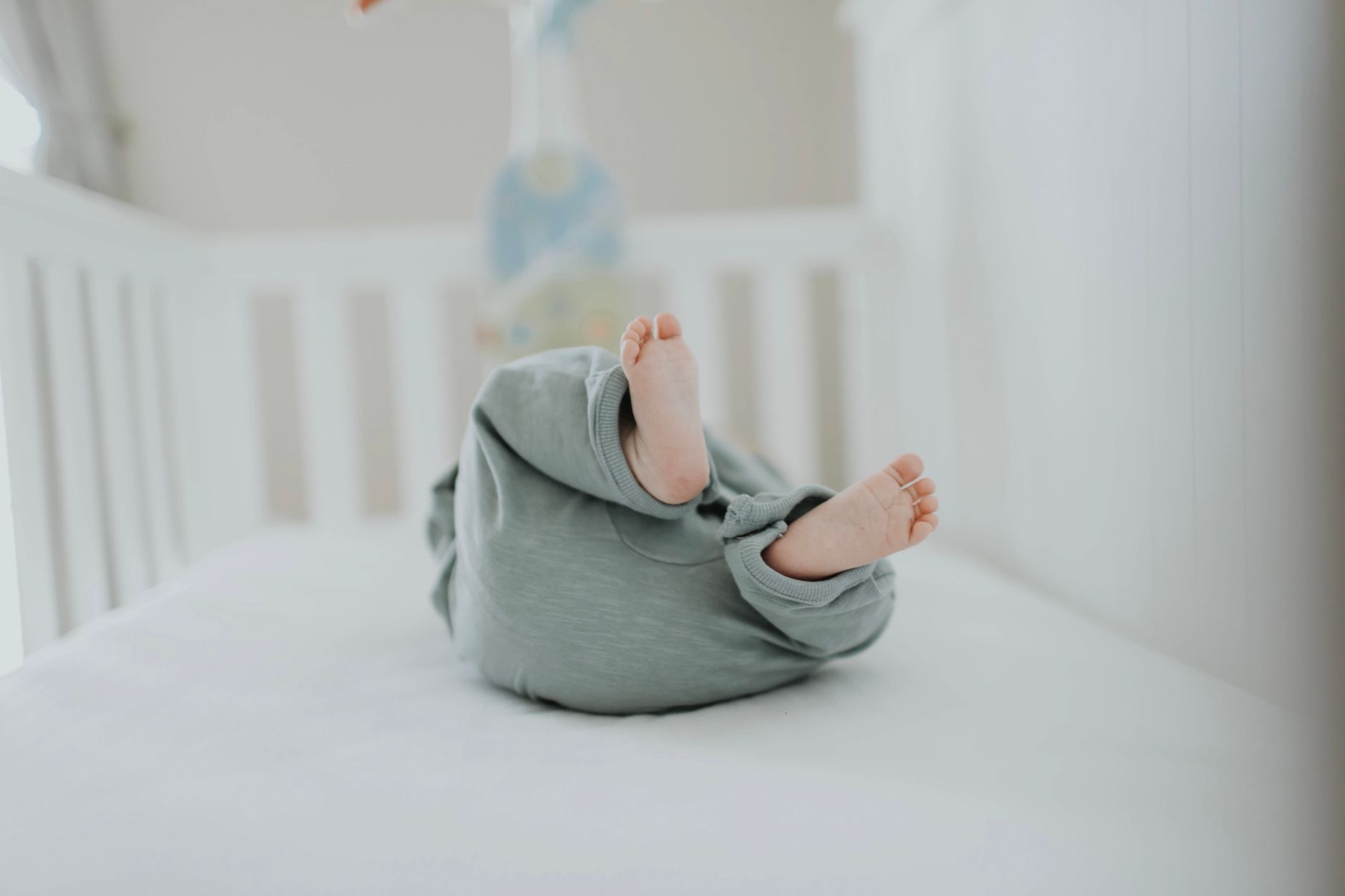
A baby spends up to 16 hours a day on a crib mattress. That makes the sleep surface the single highest-contact product in the nursery. Conventional mattresses often use polyurethane foam, chemical flame retardants, vinyl covers, and solvent-based adhesives. These materials can off-gas volatile organic compounds, or VOCs. Some waterproof covers also use PFAS. Our best non-toxic mattress guide compares the safest options for adults and kids.
The safest crib mattress is a GOTS-certified organic cotton cover over GOLS-certified latex or a food-grade polyethylene core. The Check the Naturepedic Organic Crib Mattress on Amazon is one example. It has no vinyl, no flame retardants, and no PFAS. It is GREENGUARD Gold certified, which means it meets strict low-emission limits for formaldehyde and other VOCs. The cover is sewn rather than glued, and the core is wrapped in cotton rather than plastic.
Avoid any mattress labeled stain-resistant or waterproof unless the waterproof layer is explicitly polyethylene or food-grade polyurethane. Vinyl and PVC mattress covers are soft plastic. They can contain phthalates and organotin stabilizers. Instead, use a washable cotton or wool puddle pad on top of the mattress. Wool is naturally flame resistant, so it can replace chemical flame retardants. The tradeoff is cost. A certified organic crib mattress often runs $250 to $400, while a conventional mattress costs under $100. The higher price buys a less emissive surface for a baby who sleeps 14 hours a day.
Key strengths:
- ✅ GOTS- and GOLS-certified materials avoid chemical flame retardants
- ✅ GREENGUARD Gold certification sets low VOC emission limits
- ✅ PFAS-free and vinyl-free construction
- ✅ Durable enough for multiple children
- ❌ Higher upfront cost than conventional mattresses
- ❌ Heavier than foam and harder to change sheets
- ❌ Wool layers may have a temporary natural odor
Who it’s for: Parents who want the lowest-emission sleep surface and can spend $250 or more.
2. Glass or Silicone Baby Bottles , Best for avoiding plastic and BPA exposure
Plastic baby bottles are convenient. They are also a source of microplastic and chemical leaching, especially when warmed. ‘BPA-free’ does not always mean safer, because manufacturers may substitute bisphenol S, bisphenol F, or other bisphenols with similar endocrine activity. Glass and food-grade silicone bottles avoid this issue entirely. Our how to reduce microplastics at home guide explains why heat speeds plastic breakdown.
Choose glass bottles with a protective silicone sleeve or stainless steel bottles with silicone nipples. The Check the Pura Kiki Baby Bottle on Amazon uses medical-grade silicone and a stainless steel or glass body. Glass tolerates boiling and bottle warmers without leaching. Silicone nipples are flexible but do not contain phthalates. If you must use plastic for travel, choose polypropylene with recycling code 5. Even then, replace bottles every six months and never microwave them.
Warming milk in plastic is the highest-risk scenario. Heat increases the migration of both monomers and additives into the liquid. Glass or stainless steel is the only material we recommend for formula mixing, breast milk storage, and reheating. The downside is weight and breakage. A silicone sleeve helps, but glass bottles are still heavier than plastic. For late-night feeds, pre-fill glass bottles and keep them in the refrigerator.
Key strengths:
- ✅ No BPA, BPS, or phthalates
- ✅ No microplastic shedding
- ✅ Withstands boiling and sterilization
- ✅ Longer lifespan with replaceable silicone parts
- ❌ Heavier and breakable
- ❌ Silicone can retain odors if not washed promptly
- ❌ More expensive than common plastic bottles
Who it’s for: Parents who prioritize material purity over lightweight plastic convenience.
3. Non-Toxic Diapers and Wipes , Best for reducing phthalates and skin contact chemicals
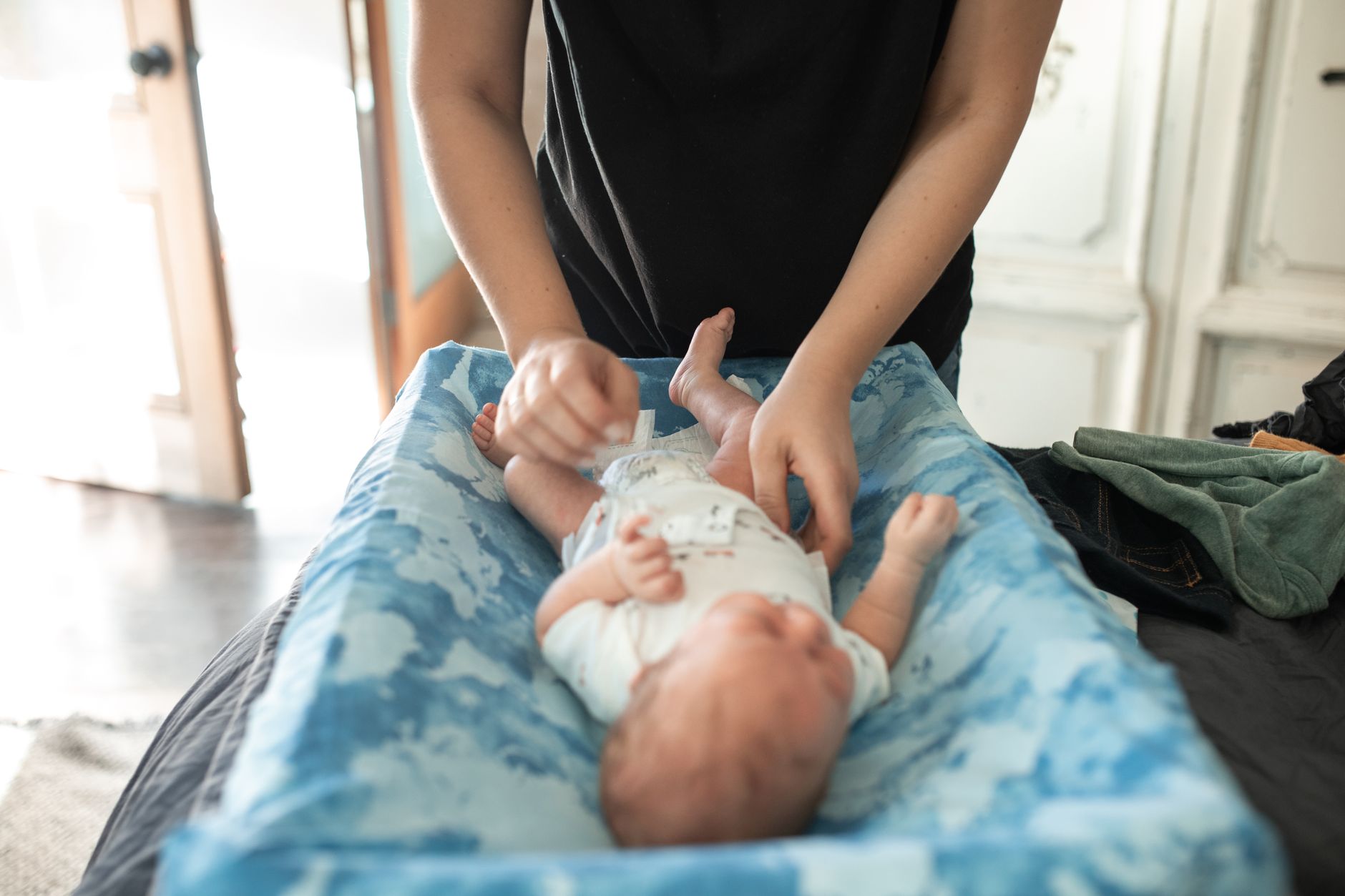
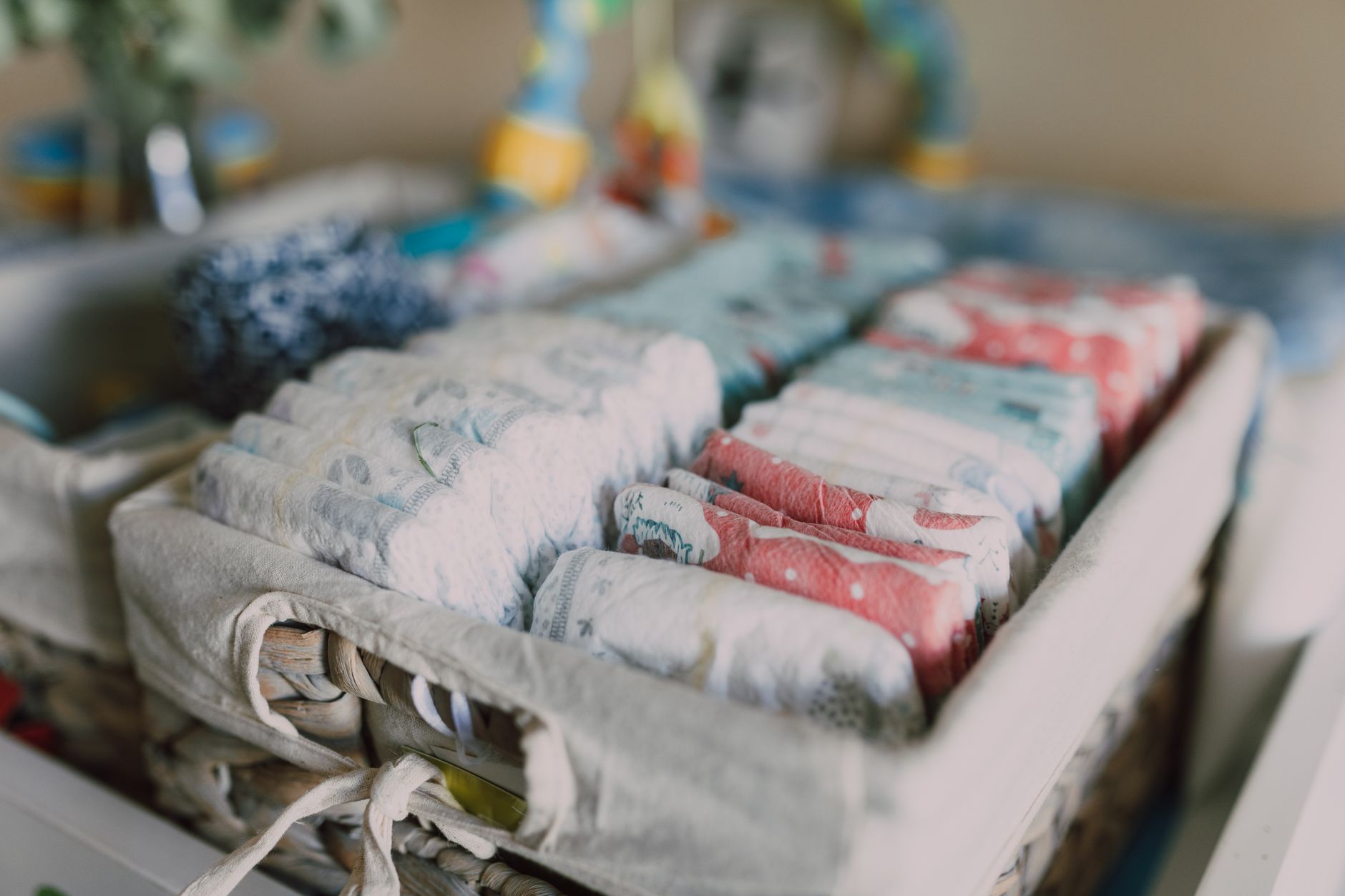
Conventional disposable diapers are not inert. Many contain polypropylene, polyethylene, adhesives, lotions, dyes, and fragrance. Phthalates can appear in the elastic and the outer film. Volatile organic compounds from adhesives and inks can off-gas into the nursery air. A wet diaper sits against the most sensitive skin for hours. The CDC has found phthalate metabolites in the urine of most Americans, with higher levels in children. This section is about reducing that constant skin contact.
Choose a diaper that is totally chlorine free, fragrance-free, and lotion-free. The Check Coterie Diapers on Amazon is one higher-end example. It uses a plant-based top sheet and no chlorine bleaching. It is more absorbent than many eco diapers, which means fewer changes at night. Water wipes should be 99.9 percent water with a drop of fruit extract. Avoid wipes with ‘parfum,’ phenoxyethanol, or sodium benzoate when possible.
Cloth diapers are the lowest-chemical option if you can manage the laundry. They avoid disposable adhesives, superabsorbent polymers, and fragrance entirely. The tradeoff is time, water, and energy. If you use cloth, wash with a fragrance-free detergent and skip dryer sheets. If you use disposables, buy a small pack first. Some babies react to the plant-based backsheet or lotion alternatives. Watch for persistent redness and switch brands if needed.
Key strengths:
- ✅ Totally chlorine free reduces dioxin risk
- ✅ Fragrance-free and lotion-free limits phthalates
- ✅ High absorbency means fewer wet contact hours
- ✅ Cloth alternative avoids disposables entirely
- ❌ Premium disposables cost $90 to $110 per month
- ❌ Cloth diapering adds laundry labor
- ❌ Eco brands may not fit every baby shape
Who it’s for: Parents who want to cut phthalate and VOC exposure in the diaper area without making everything from scratch.
4. Non-Toxic Baby Laundry Detergent , Best for fragrance-free baby clothing washing
Baby clothes and bedding pick up detergent residues. Conventional detergents can contain synthetic fragrance, optical brighteners, and trace 1,4-dioxane, a probable human carcinogen. Because a baby’s skin barrier is thinner, these residues can irritate eczema and trigger rashes. Our best non-toxic laundry detergents guide ranks fragrance-free powders, liquids, and pods.
Look for a detergent with a full ingredient list and no ‘fragrance’ or ‘parfum.’ EWG Verified is the easiest shortcut. Many liquid detergents use isothiazolinone preservatives that can cause allergic contact dermatitis. Powder detergents often avoid preservatives but may clump in cold water. For most parents, a fragrance-free liquid concentrate or a powder with no optical brighteners is the sweet spot.
Wash all new baby clothes, sheets, and swaddles before first use. New textiles can carry sizing agents, formaldehyde resins, and dust from warehouses. Run an extra rinse cycle if your machine allows. Replace fabric softener with wool dryer balls. Avoid dryer sheets entirely. They coat fibers with quaternary ammonium compounds and fragrance.
Key strengths:
- ✅ No synthetic fragrance or masking agents
- ✅ Reduces skin irritation and eczema flares
- ✅ Full ingredient disclosure makes shopping faster
- ✅ Works for the whole family
- ❌ May require more product for heavy stains
- ❌ Fragrance-free powders can leave residue in cold water
- ❌ Higher upfront cost per load than conventional detergent
Who it’s for: Parents who want one safer detergent for baby clothes and the entire household.
5. Non-Toxic Baby Personal Care and Bath Products , Best for unscented skin and hair care
Baby washes, lotions, and diaper creams are an underrated exposure source. The word ‘parfum’ on a label can hide dozens of undisclosed chemicals, including phthalates that keep scent on skin. Preservatives like phenoxyethanol and formaldehyde releasers can irritate newborn skin. The Environmental Working Group maintains the Skin Deep database, which rates personal care products by ingredient hazard. Use it before you shop.
Choose products with short ingredient lists. An unscented balm with shea butter, beeswax, and calendula oil is safer than a 20-ingredient lotion with fragrance and three preservatives. Look for EWG Verified. That mark means the product meets EWG’s restrictions on chemicals of concern and includes full ingredient disclosure. Avoid talc-based powders, since talc can be contaminated with asbestos.
You do not need a separate soap, lotion, and oil for every body part. A single unscented baby wash can clean skin and hair. A simple balm can treat dry cheeks and diaper-area redness. Fewer products mean fewer preservatives and fewer fragrance exposures. The tradeoff is that clean formulas may separate in the bottle or lack a foaming lather. That is normal and not a safety problem.
Key strengths:
- ✅ Short ingredient lists reduce hidden phthalates
- ✅ EWG Verified products meet stricter chemical restrictions
- ✅ Unscented formulas lower allergy risk
- ✅ Multi-use products cost less over time
- ❌ Shorter shelf life than conventional lotions
- ❌ No synthetic baby-powder fragrance
- ❌ Fewer options at mainstream drugstores
Who it’s for: Parents who want simpler bath and skin care with full ingredient transparency.
6. Non-Toxic Nursery Air and Water Setup , Best for reducing background PFAS and VOC exposure
The nursery environment matters as much as individual products. New paint, pressed-wood furniture, and vinyl blackout curtains can off-gas VOCs for months. Tap water may contain PFAS, lead, and disinfection byproducts. The EPA’s interim health advisories for PFOS and PFOA in drinking water are 0.02 and 0.004 parts per trillion, respectively. Those are among the lowest chemical thresholds in environmental health. Our best water filters for PFAS removal guide compares under-sink and countertop options.
Use solid wood or GREENGUARD Gold certified furniture. Avoid PVC floor mats and vinyl wall decals. Open windows for ten minutes daily, even in winter. Run a carbon and HEPA air purifier in the nursery to capture VOCs and particulate matter. For formula, use cold tap water and heat it separately. Hot water can draw more lead and copper from pipes. Filter the water before boiling or warming.
The upfront cost of a water filter and air purifier can feel high. But these two purchases reduce exposure across every bottle, bath, and breath. Replace filters on schedule. A saturated carbon filter stops removing PFAS and can release trapped VOCs back into the air. Check the manufacturer’s maintenance page and set a phone reminder.
Key strengths:
- ✅ Reduces PFAS and lead in formula water
- ✅ Cuts VOC exposure from furniture and paint
- ✅ One filter serves the whole family
- ✅ Improves sleep air quality for parents too
- ❌ Upfront cost for purifier and filter
- ❌ Filter replacements add ongoing maintenance
- ❌ Solid wood furniture can cost more than pressed wood
Who it’s for: Parents who want to address the background air and water exposures that product swaps cannot fix.
Frequently Asked Questions
What are the most important non-toxic baby products to buy first?
Start with the crib mattress, feeding bottles, and diapers because they have the most hours of skin contact. Then replace laundry detergent and body care. Air and water filters come next.
Are BPA-free plastic baby bottles safe?
Not always. Manufacturers may replace BPA with bisphenol S or bisphenol F, which may have similar endocrine activity. Glass or food-grade silicone bottles are safer and release no microplastics.
What does GREENGUARD Gold mean for a crib mattress?
It means the finished product has been tested for low emissions of formaldehyde and other VOCs. The Gold standard has tighter limits for children and schools. It does not mean the mattress is organic, so check material certifications too.
Do I need a water filter for baby formula?
Yes, a filter certified for PFAS and lead is a practical safeguard. The EPA set health advisories for PFOA at 0.004 parts per trillion and PFOS at 0.02 parts per trillion in drinking water. Use cold water and filter before heating.
Are cloth diapers always less toxic than disposable diapers?
Usually yes, but not automatically. Cloth avoids adhesives and fragrance, but the detergent and water quality matter. Use a fragrance-free detergent and skip fabric softeners. A premium disposable with no fragrance or lotion is a lower-labor alternative.
How can I tell if baby wipes contain phthalates?
Phthalates are often hidden inside ‘fragrance’ or ‘parfum’ on the label. Choose wipes labeled fragrance-free and with a short ingredient list. Water-based wipes with 99.9 percent water reduce preservative and plastic exposure.
What Should You Remember?
- Start with the most-used items: Crib mattress, bottles, and diapers create the greatest chemical contact.
- Avoid PFAS and vinyl: Stain-resistant and waterproof claims often signal PFAS or PVC.
- Choose glass or silicone: Glass bottles and silicone nipples reduce microplastic and BPA exposure.
- Fragrance is a red flag: Synthetic fragrance can hide phthalates and volatile organic compounds.
- Look for third-party certifications: GOTS, GOLS, GREENGUARD Gold, and EWG Verified are stronger than ’eco’ labels.
- Wash before first use: Laundering new clothes and bedding removes some finishing chemicals.
- Filter your water and air: Use certified filters for formula water and nursery air purification.
This article is for general information only and is not medical, legal, or regulatory advice. Chemical-safety claims and product choices should be verified against current scientific research and the guidance of relevant agencies (EPA, FDA, EWG, CDC). Always follow manufacturer instructions and consult a qualified professional for health or exposure concerns.