If you have shopped for a crib mattress, stroller, or baby bib in the last few years, you have probably seen labels like water resistant, stain resistant, or easy clean. Those claims sound helpful for new parents. But many of those finishes depend on a class of chemicals known as per- and polyfluoroalkyl substances, or PFAS. These compounds are sometimes called forever chemicals because they do not easily break down in the environment or the human body. PFAS in baby products is a growing concern among pediatric environmental health researchers, and 2026 brings new regulatory pressure and better testing tools. Parents should not have to be chemists to choose safe gear, so this guide explains what the science says in plain terms.
The concern is not that a single wipe or onesie causes immediate harm. It is that PFAS exposure adds up across many small sources: a stain treated car seat here, a water repellent jacket there, dust in the nursery, and tap water used to mix formula. Because infants have faster metabolisms, developing organs, and more hand to mouth contact, their relative exposure can be higher than an adult’s. According to the Environmental Protection Agency (EPA), PFAS can remain in the body for years. This guide covers the products most likely to contain PFAS, current health guidelines, and actionable steps that fit real family life.
| Baby Item | PFAS Risk | Safer Choice | Label Check |
|---|---|---|---|
| Waterproof bibs | Often fluorinated water repellent | Silicone or untreated cotton | PFAS-free, no stain-resistant claim |
| Crib mattress | Waterproof barrier may use PFAS | GOTS organic cotton or natural latex with clear barrier | Ask manufacturer about barrier material |
| Car seat and stroller | Stain guard finishes | Brands that state PFAS-free upholstery | Avoid stain-resistant marketing |
| Food storage and bottles | Greaseproof coatings in some plastics | Glass, stainless steel, food-grade silicone | PFAS-free or no fluoropolymer |
| Nursery rug and play mat | Water or stain treatment | Wool, untreated cotton, washable non-treated foam | No stain-proof claim |
What Are PFAS and Why Are They Called Forever Chemicals?
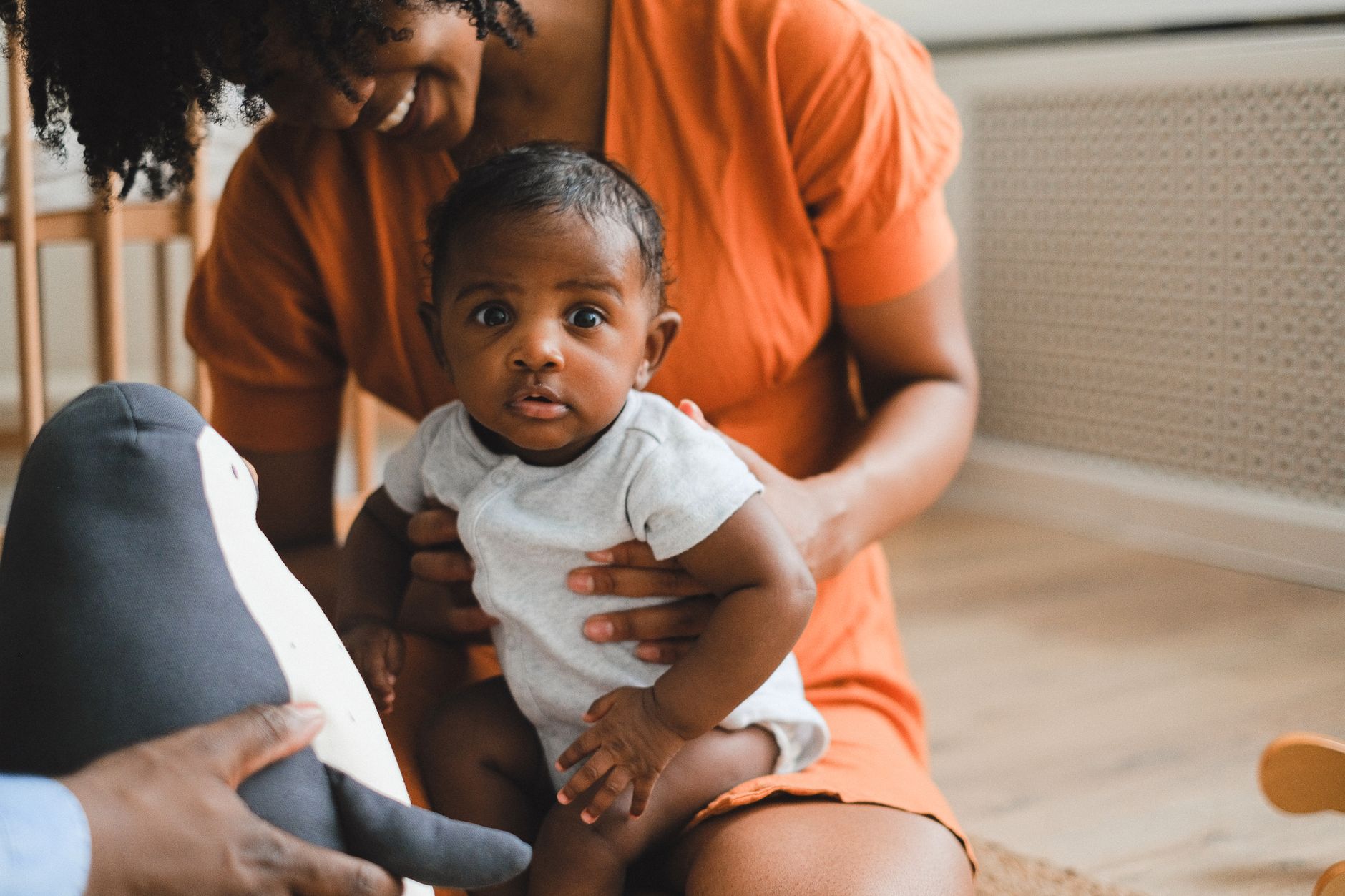
PFAS are a family of thousands of human made compounds that contain carbon fluorine bonds. That bond is one of the strongest in organic chemistry, which is why these chemicals resist heat, oil, stains, and water. Manufacturers have used PFAS for decades in nonstick cookware, food packaging, outdoor gear, firefighting foam, and many consumer goods. In baby products, PFAS often show up as invisible coatings or membrane treatments on textiles, especially items marketed as waterproof, stain proof, or easy to wipe. The same property that keeps spit up off a car seat can become a long term exposure source.
The term forever chemicals is not just a slogan. The Centers for Disease Control and Prevention (CDC) notes that many PFAS do not break down easily and can accumulate in people and animals. Some PFAS have half lives in the human body measured in years. For example, older long chain PFAS like PFOS and PFOA can remain for several years after exposure stops. Because these chemicals are so persistent, even products made years ago can still release them into house dust or wash water today.
Not all PFAS are identical. Short chain replacements were introduced to be less bioaccumulative, but they are still highly persistent. Regulators and health researchers increasingly treat the entire class as a concern rather than managing one chemical at a time. For parents, that means a PFOA free label alone may not tell the whole story. The product could still contain other PFAS or fluorinated polymers that break down into smaller PFAS over time. A better approach is to look for products that are explicitly PFAS free or choose materials that do not need chemical water repellents in the first place.
Which Baby Products Are Most Likely to Contain PFAS?
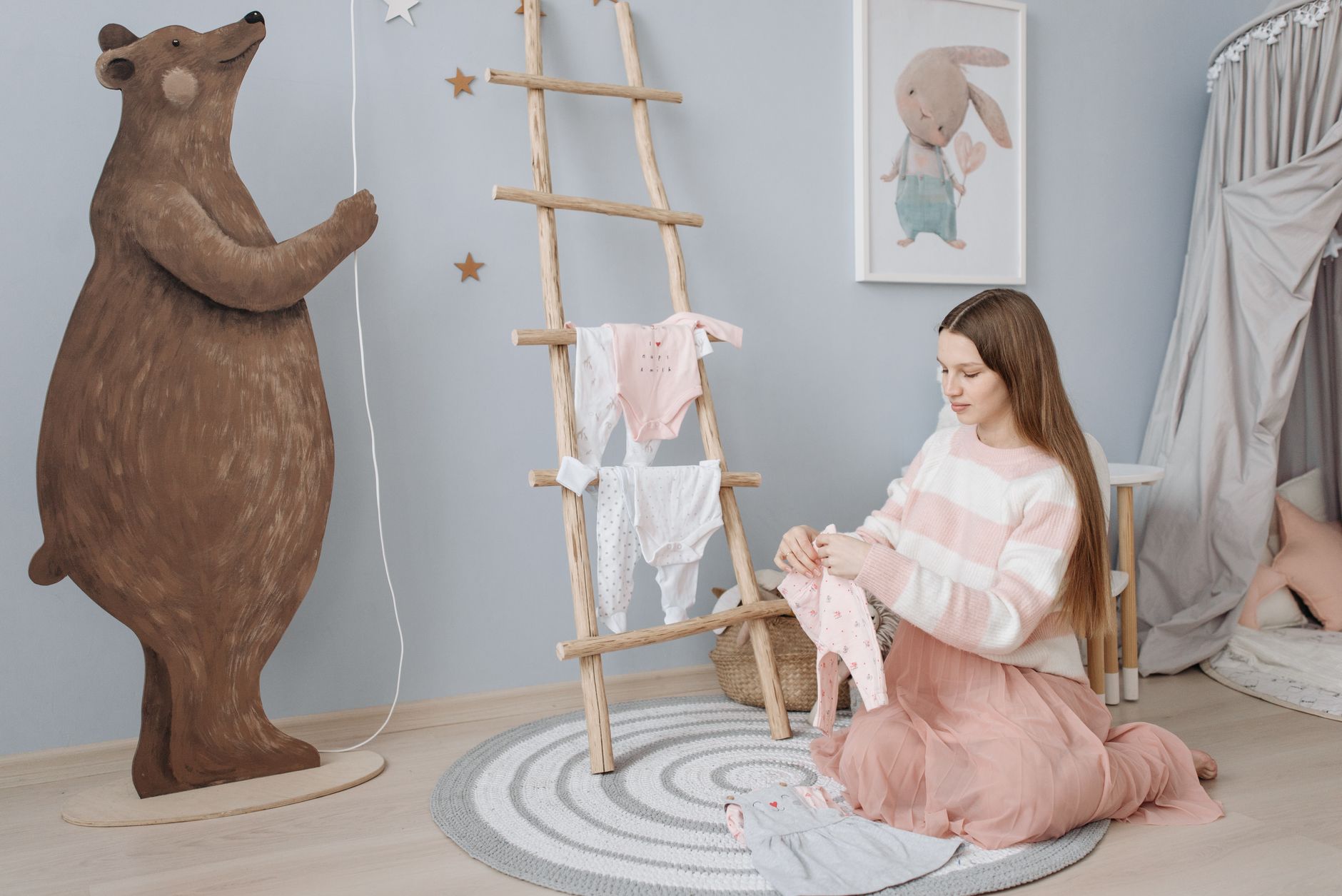
PFAS are not added to every baby item, but they are common in categories that use performance finishes. Waterproof crib mattress protectors, car seat upholstery with stain guard, stroller canopies, waterproof bibs, high chair cushions, and some diaper bags rely on water or stain repellent coatings. Textile testing has found fluorine, a marker used to detect PFAS treatment, in baby bedding, play mats, and even some children’s outerwear. The problem is not always visible; a fabric can feel soft and still contain a fluorinated finish.
Food contact items are another area of concern. Some molded fiber food containers, nursing pads, or spill proof cups may use PFAS for grease resistance. In 2020, the FDA announced a voluntary phase-out of certain short-chain PFAS in food contact uses, but imported items and older stock can still be in circulation. For daily baby feeding, glass, stainless steel, or certified silicone are often more predictable than unknown plastic or coated paper. You can explore the non-toxic baby products guide for material by material comparisons.
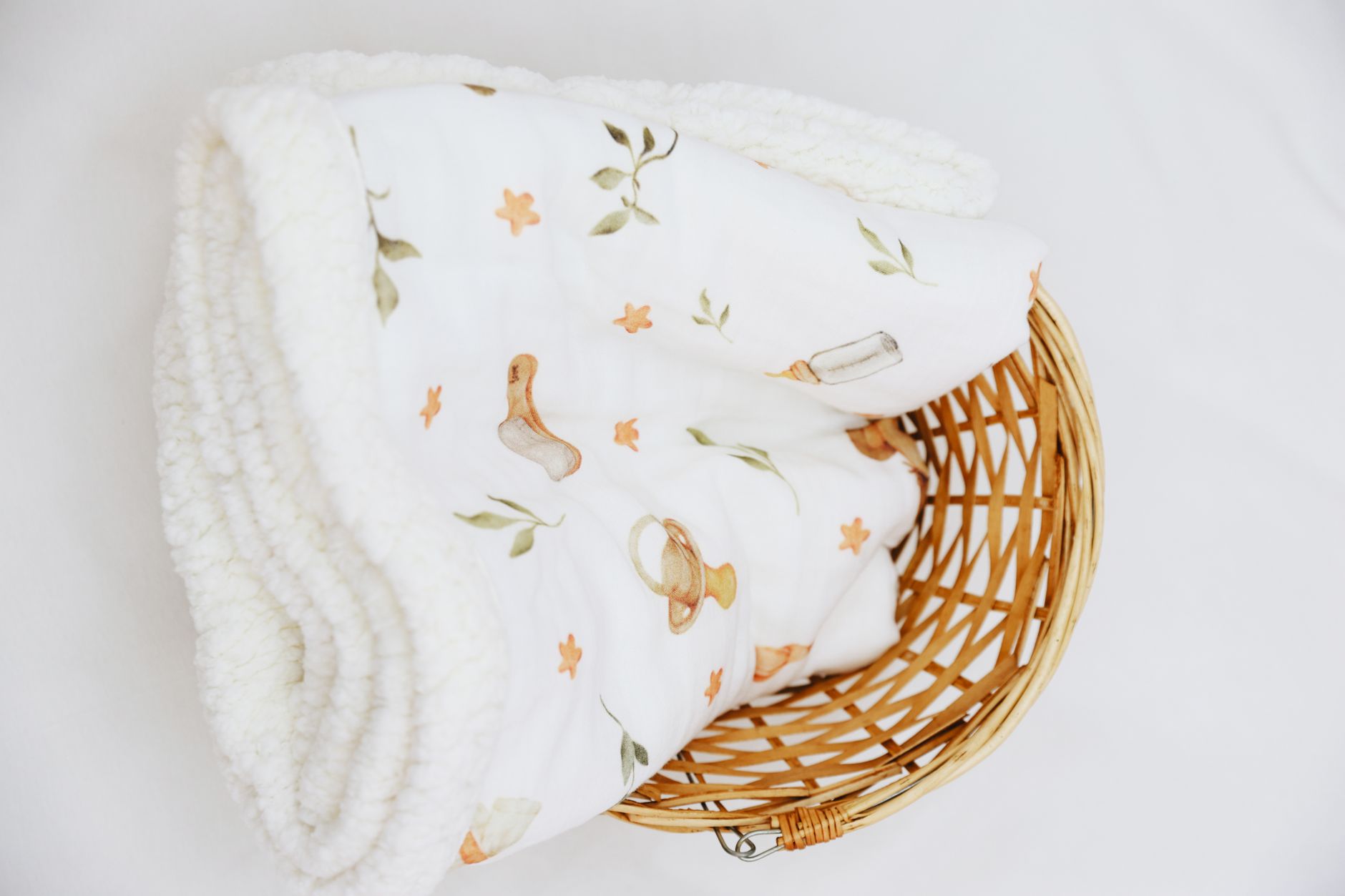
Sleep surfaces deserve special attention because babies spend many hours with their faces close to the mattress. A crib mattress with a water resistant covering may be practical, but that waterproof layer can be made from vinyl or PFAS treated fabric. If the product does not say what the barrier is, ask the manufacturer. Our guide to the best non-toxic mattresses for 2026 covers options with clearer material disclosure.
- Car seats and strollers with stain resistant or easy clean upholstery
- Waterproof mattress protectors and crib mattress covers
- Waterproof bibs, changing pads, and play mats
- Some diaper bags and outerwear labeled water repellent
- Molded fiber or coated food packaging used for snacks and takeout
How Do Babies Get Exposed to PFAS?
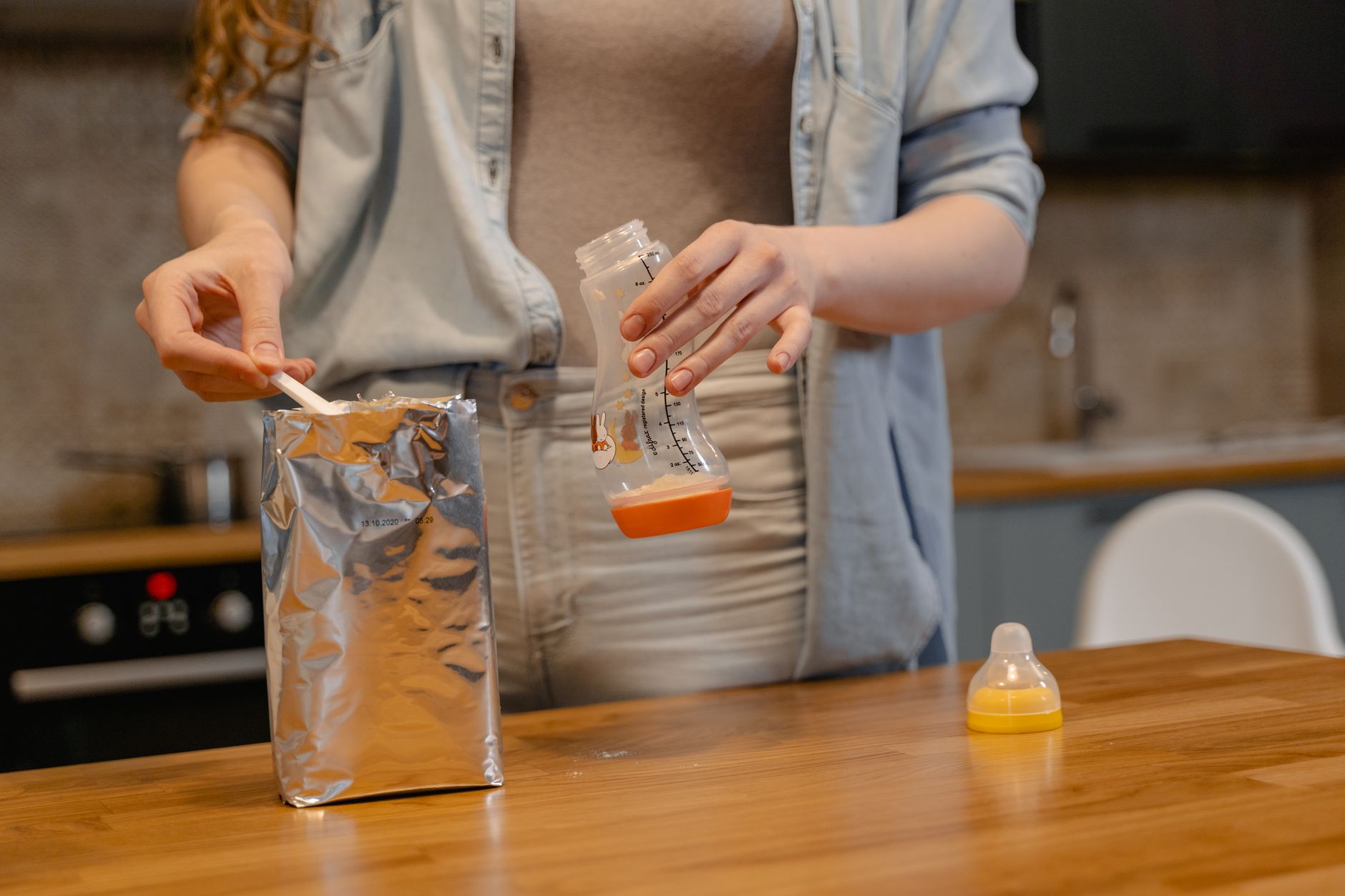
Babies are exposed to PFAS through three main routes: ingestion, inhalation, and skin contact. Ingestion is usually the largest concern. Infants put hands, fabric, and toys in their mouths constantly. If PFAS have migrated from a treated surface into house dust, that dust can end up on a baby’s fingers and then in the mouth. In a national sample, the CDC has found measurable PFAS in the blood of nearly all Americans tested, which shows how widespread background exposure has become. For a baby, the relative dose per pound of body weight can be higher than for an adult from the same dust or water.
Drinking water remains a major route where PFAS are present. Formula mixed with tap water can be a meaningful early exposure source if the local water supply has PFAS contamination. The EPA finalized legally enforceable limits in 2024 for six PFAS in drinking water, including 4.0 parts per trillion for PFOA and PFOS and 10 parts per trillion for PFNA, PFHxS, and HFPO-DA, also called GenX. That standard gives parents a benchmark for comparing home water test results or water utility reports. A point of use filter can reduce PFAS if it is certified for that purpose. See the best water filters for PFAS removal in 2026 and the deeper science in the PFAS in drinking water guide.
Diet and food packaging can add to the total load. PFAS have been detected in breast milk, although the presence of PFAS in breast milk does not mean breastfeeding should stop. Major health organizations continue to support breastfeeding because its benefits are well documented. At the same time, reducing the mother’s exposure before and during pregnancy may lower the amount transferred. For older babies, avoiding PFAS treated food contact materials and choosing safer storage can help. Our non-toxic food storage guide explains which materials are easiest to verify.
What Do the EPA, CDC, and EWG Say About PFAS Risks?
Health agencies have shifted from watching PFAS to actively limiting them. The Environmental Protection Agency (EPA) now regulates six PFAS in drinking water and has published health advisory levels far below older guidance. The EPA has stated that exposure to certain PFAS is linked to increased cholesterol, changes in liver enzymes, decreased vaccine response in children, and increased risk of kidney or testicular cancer in adults. These findings come from human epidemiology studies, not just animal models.
The CDC tracks PFAS exposure through its National Health and Nutrition Examination Survey, or NHANES. That program has detected PFOA and PFOS in a large majority of participants over time, though levels of the older long chain PFAS have declined in the U.S. after production changes. The CDC also works with the Agency for Toxic Substances and Disease Registry to help communities understand exposure near contaminated sites. For parents, the CDC’s main patient message is that everyone has some PFAS in their blood, and reducing avoidable exposures is reasonable.
The Environmental Working Group (EWG) has compiled tap water data, product testing, and a searchable database that can help families spot hidden PFAS. EWG scientists have argued for regulating PFAS as a class and have pushed for lower limits than current federal standards. Their testing has found PFAS markers in items marketed for kids, including waterproof bibs and car seat covers. Independent testing is not a substitute for pediatric advice, but it can tell parents which claims deserve more scrutiny. For personal care and other child products, the EWG Skin Deep database guide is a useful companion tool.
How Can Parents Reduce PFAS Exposure in 2026?
The most effective step is to avoid unnecessary performance finishes. If a baby product label says stain resistant, water repellent, or easy clean, ask what technology creates that finish. Unfinished cotton, organic cotton, wool, and many natural fibers do not need PFAS to be safe. For items that must be wiped down, look for a wipe clean surface made from polyethylene or polyurethane that the manufacturer explicitly states is PFAS free. When you cannot verify a waterproof layer, use a separate cotton or wool cover that can be washed frequently.
Wet cleaning matters because PFAS can move from fabric into wash water or dust. Wash new textiles before first use. Use the warmest water setting the label allows and a detergent that does not add its own unwanted coatings. For nursery surfaces, damp dusting and vacuuming with a HEPA filter may reduce PFAS-laden dust. Choose unscented, straightforward cleaners rather than added stain guard sprays, which can introduce new fluorinated treatments.
Water is a priority if you mix formula or use tap water for cooking. Check your utility’s annual water quality report for PFAS results. If your water exceeds the EPA limits or if you want extra caution, use a filter certified under NSF/ANSI 53 or 58 for PFOA and PFOS reduction. Boiling water does not remove PFAS and can concentrate them slightly because steam leaves the chemicals behind.
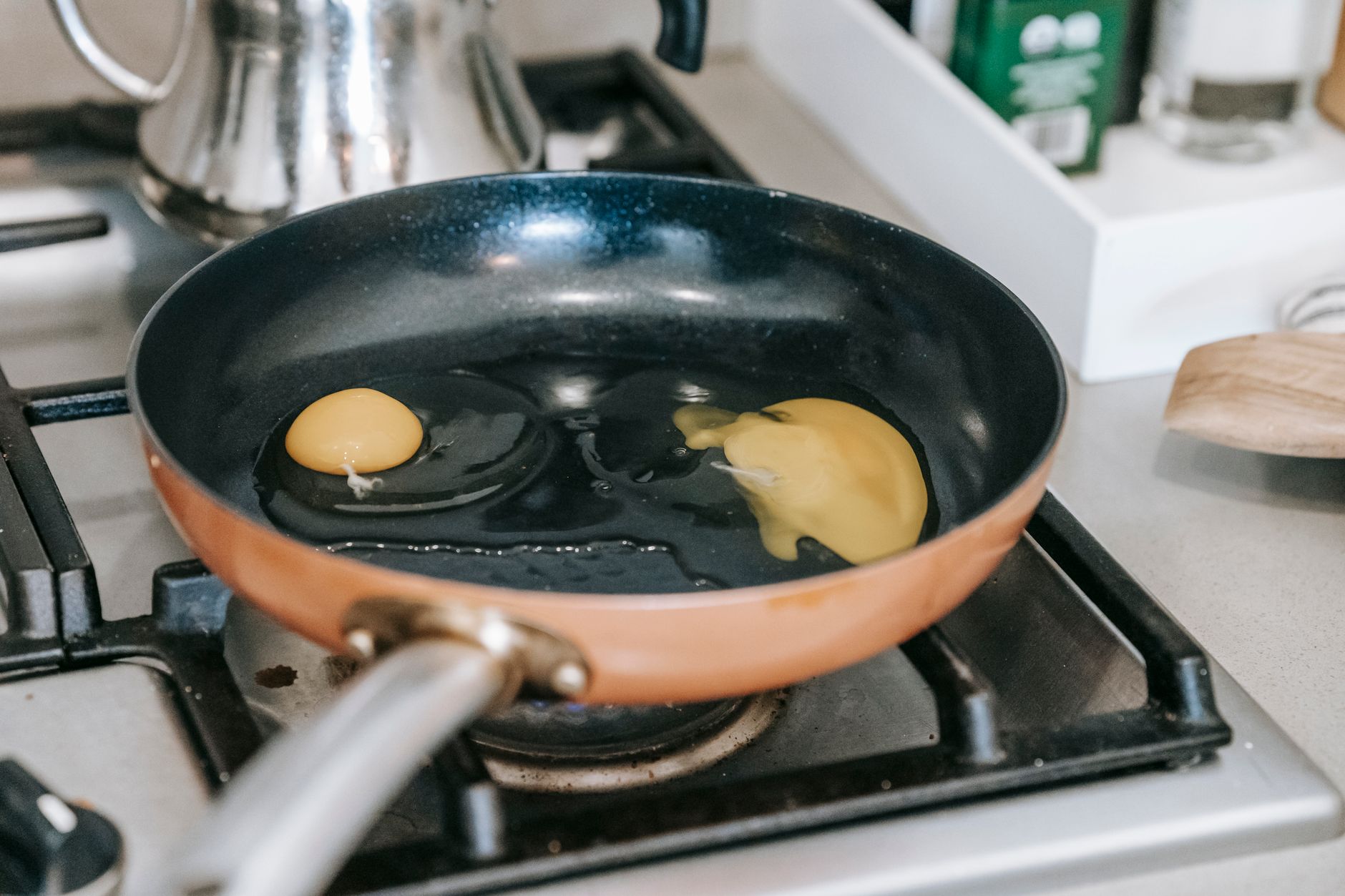
Food storage and cooking also contribute. Avoid reheating food in coated paper or unknown takeout containers. Use glass, stainless steel, or certified food grade silicone for bottles and storage. If you use a nonstick pan for family meals, older scratched pans can release PFAS or related coatings. Replacing that pan is straightforward, but you can also focus on baby food contact items first.
Frequently Asked Questions
Are all waterproof baby products treated with PFAS?
No. Some waterproof layers are made from PFAS-free polyethylene, polyurethane, or silicone. The key is to ask the manufacturer or look for an explicit PFAS-free statement, not just a general waterproof label.
Can I test my baby products for PFAS at home?
Home test kits for PFAS are limited and often focus on water, not fabric or hard goods. A better approach is to contact the manufacturer, ask about fluorinated finishes, and choose products with clear material disclosure.
Does boiling tap water remove PFAS before mixing formula?
No. Boiling does not destroy PFAS and can slightly concentrate them because water evaporates while the chemicals remain. Use a filter certified under NSF/ANSI 53 or 58 for PFOA and PFOS reduction.
Should I stop breastfeeding because PFAS can be in breast milk?
No major health organization recommends stopping breastfeeding because of PFAS. The documented benefits of breastfeeding outweigh the risks from typical PFAS levels, but reducing maternal exposure may help lower levels.
Which certifications mean a baby product is PFAS-free?
Look for GOTS or OEKO-TEX Standard 100 labels, but confirm the certificate includes PFAS criteria. A product that only says PFOA-free may still contain other PFAS, so an explicit PFAS-free statement is more useful.
What should I do if my local water report shows PFAS above EPA limits?
Use water from a certified filter or an alternate source for formula and drinking. Contact your water utility for guidance and consider testing your home water. Point-of-use filters with NSF/ANSI 53 or 58 certification are the most relevant.
What Should You Remember?
- PFAS are persistent fluorinated chemicals used for stain and water resistance in many baby items.
- Check labels and avoid terms like stain-resistant and water-repellent unless the brand states PFAS-free.
- Prioritize water safety with a certified filter for formula and drinking water.
- Wash new textiles before first use and damp-dust the nursery to reduce PFAS in house dust.
- Choose simple materials like untreated cotton, wool, glass, stainless steel, and food-grade silicone.
- Use independent databases such as EWG and EPA water reports to verify local exposure.
This article is for general information only and is not medical, legal, or regulatory advice. Chemical-safety claims and product choices should be verified against current scientific research and the guidance of relevant agencies (EPA, FDA, EWG, CDC). Always follow manufacturer instructions and consult a qualified professional for health or exposure concerns.