Most Americans have measurable PFAS in their blood. That is not a hypothetical warning. It reflects decades of industrial use, nonstick coatings, stain treatments, and firefighting foam that released persistent chemicals into air, soil, and water. PFAS are a family of thousands of synthetic compounds. They resist heat, oil, stains, and water, which made them valuable in manufacturing. The same carbon-fluorine bonds that make them useful also keep them from breaking down in the environment or the body. Drinking water has become one of the most studied exposure routes because trace amounts can reach so many people so quickly.
In 2024, the Environmental Protection Agency finalized the first national drinking water standard for six PFAS compounds. By 2026, public water systems are working through initial monitoring and planning for future compliance. The standards are set in parts per trillion. Those are extraordinarily small amounts, far below what older laboratory methods could reliably detect. The regulatory shift matters because even very low chronic exposure has been linked to immune, metabolic, and developmental effects in large population studies. Consumers now have more tools to find out what is in their tap water and to choose effective treatment. The updated rules cover PFOA, PFOS, PFNA, PFHxS, HFPO-A, and PFBS mixtures.
This guide explains PFAS in drinking water without overselling risk or dismissing it. You will learn how PFAS enter water, what the current health evidence shows, what the 2026 standards mean, how to test your water, and which filtration methods have real data behind them. The goal is to help you make evidence-based decisions. The article also points to safer product guides where you can reduce PFAS exposure from cookware, food storage, and other home sources. The information here is not medical advice. It is a practical summary of the science and current regulatory status.
| Filter Technology | How It Reduces PFAS | Approximate Cost Range | Certification to Look For |
|---|---|---|---|
| Granular activated carbon | Adsorbs many PFAS onto carbon pores | $50 to $400 for pitcher or faucet units | NSF/ANSI 53 for PFOA and PFOS reduction |
| Solid block carbon | Denser carbon with longer contact time | $100 to $500 for under-sink units | NSF/ANSI 53 |
| Reverse osmosis | Membrane plus carbon stages removes a wide range | $200 to $1,000 installed | NSF/ANSI 58 and 53 |
| Ion exchange resin | Resin beads bind PFAS and swap ions | $150 to $600 for specialty cartridges | Look for manufacturer test data for PFAS |
What Are PFAS and Why Are They in Drinking Water?

PFAS stands for per- and polyfluoroalkyl substances. The class includes more than 9,000 related chemicals, although only a small number are routinely measured in water. The best-known are PFOA and PFOS, which were used for decades in nonstick cookware, stain-resistant fabrics, and firefighting foam. Many of those uses have been phased out in the United States, but replacements such as GenX and other short-chain PFAS still appear in industrial processes and some consumer goods. Your cookware is one possible source, but drinking water is often a larger community-wide route. PFAS in cookware: what you need to know covers that side in more detail.
The structure of PFAS includes a chain of carbon atoms bonded to fluorine. That bond is among the strongest in organic chemistry. It gives PFAS their nonstick and water-repelling qualities. It also means the compounds do not degrade under normal environmental conditions. Rain, sunlight, and microbes break down many chemicals within days or weeks. PFAS can persist for years or decades. In water, they stay dissolved and travel long distances from the original release point.
This durability explains why PFAS are often called forever chemicals. It also explains why levels build up in the human body over time. Drinking water is a major pathway because people consume it every day. Other pathways include food packaging, dust, and direct contact with treated products. For some households, reducing PFAS in tap water is one of the most effective steps available. Best non-toxic food storage can help address additional daily-contact exposures.
How Do PFAS Get Into Drinking Water Supplies?
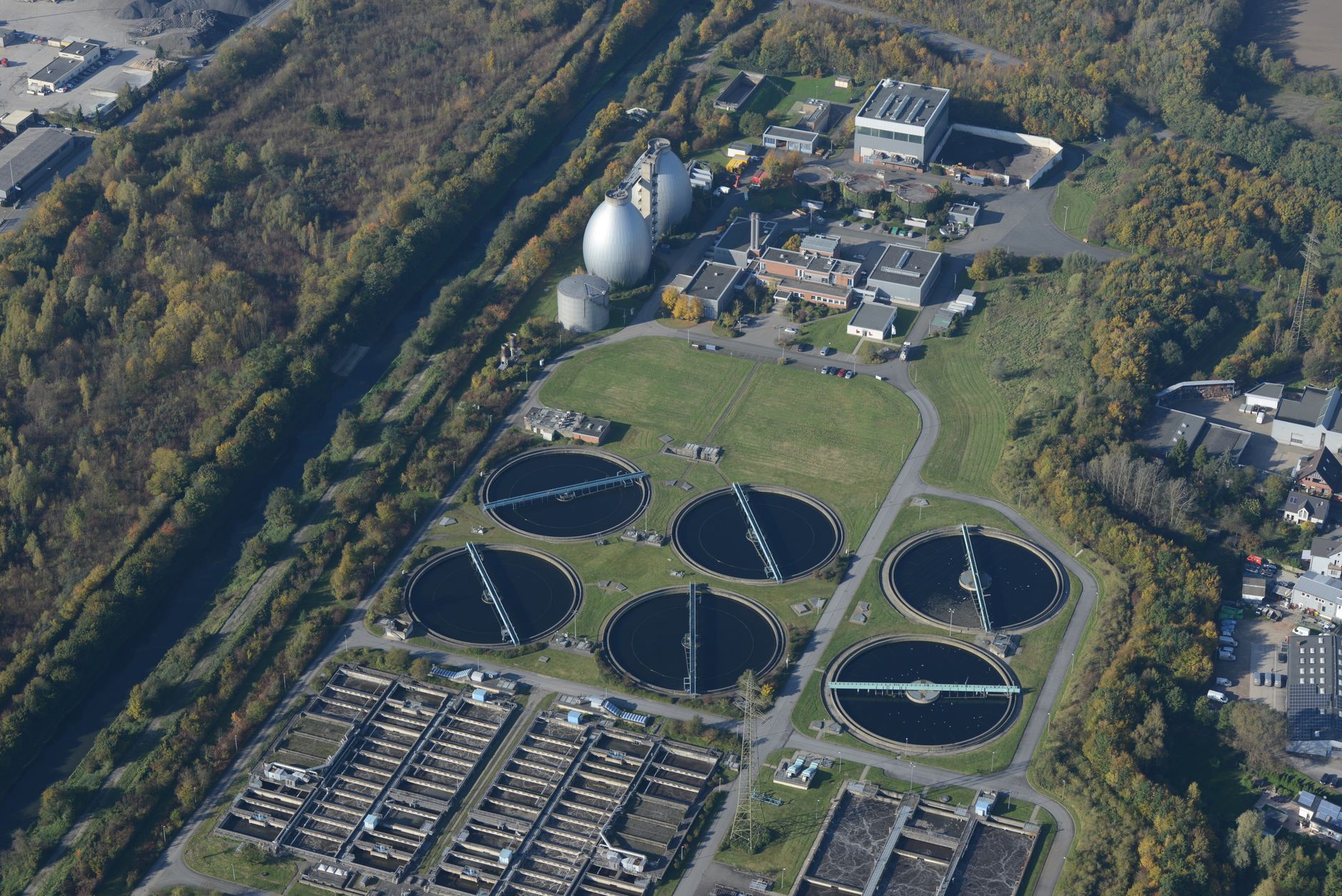
PFAS enter water through several routes. Industrial facilities that produced or used PFAS have discharged wastewater into rivers and lakes. Firefighting training areas, especially at airports and military bases, released large volumes of aqueous film-forming foam. Landfills can leach PFAS from discarded carpets, clothing, and food packaging. Wastewater treatment plants are not designed to destroy PFAS, so they can pass through and reach surface water or groundwater. When biosolids from treatment plants are spread on farmland, PFAS can move into soil and eventually into shallow wells.
The problem is widespread but not uniform. Some public water systems have no detections, while others exceed the new federal limits. The Environmental Working Group EWG has compiled testing data from public utilities across the country. EWG estimates that more than 200 million Americans may have PFAS in their drinking water at concentrations above 1 part per trillion. That estimate is based on modeled data and water system reports, so it is not a direct tap sample from every home. It does show the scope of the challenge.
Private well owners face a different set of unknowns. The EPA does not require testing for private wells, and there is no centralized reporting system. If you live near an airport, industrial site, or landfill, your well may need PFAS testing. The same is true if shallow groundwater is influenced by biosolid application. PFAS contamination often appears alongside other persistent pollutants, which is why a broader look at home exposure can be useful. How to reduce microplastics at home explains another common drinking water and dust issue with similar source control logic.
What Are the Health Risks Linked to PFAS Exposure?
Health agencies base their concern on large population studies and laboratory toxicology. According to the Centers for Disease Control and Prevention CDC, PFAS are found in the blood of nearly all people in the United States. A national survey found PFAS in 97 percent of participants tested. The mere presence of a chemical in blood does not automatically mean disease, but the consistency of the evidence has pushed regulators to act.
The strongest human evidence links PFAS exposure to reduced antibody response after vaccination, increased cholesterol levels, and elevated risk of pregnancy-induced hypertension. Some studies also point to an increased risk of kidney cancer and testicular cancer among highly exposed adults. Children and developing fetuses are considered more vulnerable because their bodies are still developing and because they consume more water relative to body weight. PFAS in baby products guide explains how these chemicals can show up in products designed for infants.
Researchers still debate how much risk applies at very low water concentrations. Many health effects have been observed at levels above current drinking water exposures for the general population. Regulators set limits with safety margins because these chemicals accumulate in the body and are difficult to remove. The EPA health-based goal for PFOA and PFOS is zero, reflecting the view that no level is fully free of concern. That does not mean zero is achievable in practice. It means the enforceable limit is a compromise between health protection and technical feasibility.
What Are the 2026 Drinking Water Standards and Advisories?
The current federal rule is the EPA PFAS National Primary Drinking Water Regulation. It was finalized in April 2024 and covers six PFAS compounds. The enforceable limit for PFOA is 4.0 parts per trillion. The enforceable limit for PFOS is also 4.0 parts per trillion. For PFNA, PFHxS, and HFPO-A, also called GenX, the limit is 10 parts per trillion each. The rule also sets a hazard index limit of 1.0 for mixtures containing two or more of four PFAS: PFNA, PFHxS, HFPO-A, and PFBS. You can read the full technical details on the EPA PFAS page.
A part per trillion is an extremely small unit. One part per trillion is roughly one drop of water in 20 Olympic-size swimming pools. The fact that regulators are setting limits in parts per trillion shows how sensitive modern laboratory methods have become. It also shows how little PFAS is needed to trigger health-based guidance. Older federal guidance used a combined level of 70 parts per trillion for PFOA and PFOS, but that was replaced by much lower health advisories in 2022.
In 2026, public water systems are in the early phase of implementing this rule. The rule gives systems until 2027 to complete initial monitoring. Systems that find PFAS above the new limits must inform the public and develop plans to reduce levels. Compliance with the enforceable limits is required by 2029. That timeline means many utilities are still analyzing data in 2026. Consumers should not expect every water report to have a full PFAS summary yet, but that information is becoming more available.
How Can You Test Your Water for PFAS?
If you use a public water system, start with its annual consumer confidence report. Many utilities are adding PFAS results as they finish initial monitoring. The report may not list every PFAS compound, but it should indicate whether the six regulated PFAS were detected and whether any exceedances occurred. If the report is unclear, contact the water utility and ask for their most recent PFAS sampling results. You have a right to know what is in your drinking water.
Private well owners need to arrange testing themselves. Use a laboratory certified for PFAS using EPA Method 533 or 537.1. These methods measure a panel of common PFAS compounds. Testing for PFAS typically costs between $200 and $500 per sample. Some state health departments and environmental agencies offer free or reduced-cost testing in areas with known contamination. A one-time test gives you a snapshot, but wells can change after heavy rain or nearby land disturbance.
The Environmental Working Group maintains a tap water database that compiles utility data. It is a useful first stop, but it is not a substitute for testing your own tap. Once you have a result, compare it to the EPA limits and the health-based guidelines. If you find PFAS, treatment can make a meaningful difference. Best water filters for PFAS removal reviews options that have been tested against these chemicals.
Which Water Filters Actually Remove PFAS?
Not all water filters reduce PFAS. Many simple pitcher filters use activated carbon, which can remove some PFAS but with variable effectiveness depending on the specific compound and filter design. The most reliable filters are those certified to NSF/ANSI 53 for PFOA and PFOS reduction or NSF/ANSI 58 for reverse osmosis systems. Certification means a third party tested the filter under controlled conditions and confirmed the manufacturer claims.
Reverse osmosis systems tend to remove the broadest range of PFAS because they combine a semipermeable membrane with carbon and sediment stages. They are point-of-use systems installed under a sink, and they waste several gallons of water for every treated gallon. Granular activated carbon and solid block carbon filters are less expensive and easier to maintain, but they may be less effective for very short-chain PFAS. Ion exchange resins are another option and are sometimes combined with carbon for whole-house treatment. The table below summarizes the main technologies.
Maintenance is a critical part of performance. A filter that has passed its replacement interval can release some captured PFAS back into the water. Follow the manufacturer schedule and do not wait until the water tastes different. If you rent and cannot install a permanent system, use a countertop or faucet-mounted unit that is certified for PFAS reduction. Best water filters for PFAS removal walks through the most effective current models.
Frequently Asked Questions
Are PFAS banned in drinking water?
The EPA has set enforceable limits for six PFAS, but there is no immediate ban. Public water systems must complete initial monitoring by 2027 and comply with the limits by 2029. PFOA and PFOS are phased out of US manufacturing but still enter water from legacy contamination.
Can boiling water remove PFAS?
No. Boiling does not remove PFAS. It can concentrate them as water evaporates. Use a certified water filter designed for PFAS reduction instead.
Do refrigerator filters remove PFAS?
Many refrigerator filters use basic carbon and are not certified for PFAS. Check for NSF/ANSI 53 certification that specifically includes PFOA and PFOS reduction.
Is bottled water safer than tap water for PFAS?
Not always. Some bottled water is sourced from municipal supplies and may not be tested for PFAS. Check the brand’s water quality report or contact the company.
Can showering or bathing expose me to PFAS?
PFAS do not easily absorb through skin in significant amounts. Drinking and cooking with contaminated water are the main exposure routes. Inhalation can matter in some workplace or spray settings.
How often should I replace a PFAS water filter?
Follow the manufacturer’s schedule, usually every 3 to 6 months for pitcher filters and every 6 to 12 months for under-sink systems. Spent filters lose removal capacity and can release captured PFAS.
What Should You Remember?
- PFAS limits: The EPA has set 4 parts per trillion for PFOA and PFOS and 10 parts per trillion for PFNA, PFHxS, and GenX.
- Health evidence: CDC data show PFAS in 97 percent of Americans, with links to immune, liver, and developmental effects.
- Water systems: Public utilities are in monitoring through 2027 and must comply by 2029, so 2026 is a key data year.
- Testing: Private well owners should use a certified lab and expect to pay $200 to $500 for a PFAS panel.
- Filtration: NSF/ANSI 53 and 58 certified filters are the most reliable choices for reducing PFAS in tap water.
- Maintenance: Replace cartridges on schedule, because spent filters can lose effectiveness or release PFAS back into water.
- Source reduction: Pair water treatment with safer choices in cookware, food storage, and baby products to reduce total exposure.
This article is for general information only and is not medical, legal, or regulatory advice. Chemical-safety claims and product choices should be verified against current scientific research and the guidance of relevant agencies (EPA, FDA, EWG, CDC). Always follow manufacturer instructions and consult a qualified professional for health or exposure concerns.