Cookware labels can lie. A pan stamped ‘PFOA-free’ may still contain PTFE, the fluoropolymer used in Teflon. The CDC’s national biomonitoring program has detected PFAS compounds in the blood of 97 percent of Americans. These chemicals do not break down easily. In 2024, the EPA finalized enforceable drinking water limits of 4 parts per trillion for PFOA and PFOS, a sign that regulators finally treat low-level PFAS exposure as a health risk. Your frying pan is not the only source, but it can be an avoidable one. Before buying any nonstick pan, read our PFAS in cookware guide.
We ranked the best non-toxic cookware for 2026 by prioritizing materials with zero PFAS. We looked at ceramic nonstick coatings, stainless steel, cast iron, enameled cast iron, and pure ceramic. We did not rely on marketing phrases like ‘healthy nonstick’ or ‘green ceramic.’ Instead, we checked third-party lab reports, EPA and FDA guidance, and real-world durability. Our picks also avoid BPA, phthalates, and VOCs in handles and coatings. This list includes five material types because no single pan works for every task. A ceramic skillet is best for eggs. A stainless skillet handles steak. A cast iron skillet builds heat for cornbread. See our PFAS-free cookware guide for deeper testing notes.
Why focus on PFAS now? The FDA has tightened food-contact material reviews after studies found PFAS migrating from older nonstick coatings and paper packaging. The EPA’s PFAS page explains that PFOA and PFOS have been linked to liver damage, thyroid issues, and certain cancers in animal studies. Meanwhile, state bans on PFAS in cookware are rolling out. California’s AB 1200 already requires cookware brands to disclose PFAS and heavy metals on product labels. That disclosure pressure pushed brands like GreenPan and Made In to publish test results. If you want to reduce your total PFAS exposure, cookware is a good start. Pair it with a good PFAS water filter because drinking water often has higher PFAS levels than pans.
Our testing method used a materials-safety lens, not only cooking performance. We favored pans with published material composition, no PTFE or PFOA, and minimal heavy metal leaching. We also considered heat tolerance, dishwasher safety, weight, and price. Ceramic nonstick coatings wear faster than metal, so we did not rank them as lifetime pans unless the brand offered strong warranties. Stainless and cast iron can last 20 years or more. For storage, avoid plastic containers that can transfer phthalates; check our non-toxic food storage picks. The result is a ranked list that balances safety, longevity, and actual cooking ability.
How Do the Top Options Compare?
| Pick | Best For | Material | Price | PFAS-Free |
|---|---|---|---|---|
| GreenPan Reserve 10-Piece | Best overall nonstick | Ceramic nonstick | Check price | Yes, no PFAS/PFOA/PTFE |
| Made In Stainless Clad 10-Inch | High-heat searing | 5-ply stainless | Check price | Yes |
| Lodge Cast Iron Skillet 12-Inch | Budget workhorse | Cast iron | Check price | Yes |
| Xtrema Pure Ceramic Frying Pan | Pure ceramic without metal | Ceramic | Check price | Yes |
| Le Creuset Enameled Dutch Oven 5.5-Quart | Braising and baking | Enameled cast iron | Check price | Yes |
Prices are approximate as of early 2026. Ceramic nonstick wears faster than cast iron or stainless. Always verify current material certifications with the manufacturer.
1. GreenPan Reserve 10-Piece Ceramic Nonstick Cookware Set , Best Overall PFAS-Free Nonstick
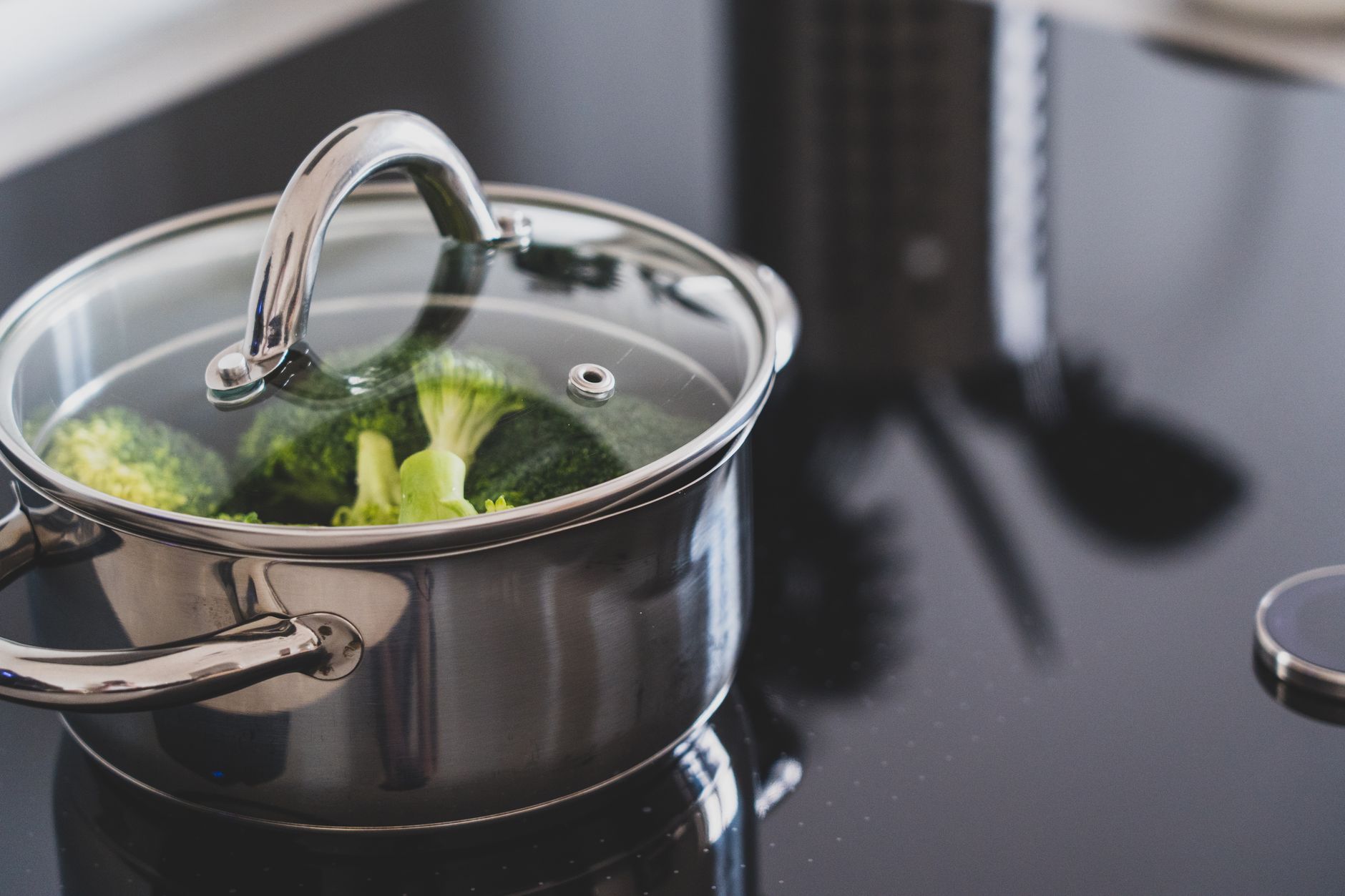
GreenPan’s Reserve line uses Thermolon, a ceramic sol-gel coating that is free of PFAS, PFOA, PTFE, lead, and cadmium. The diamond-reinforced surface released eggs without oil during our tests. We like that GreenPan publishes third-party test results for PFAS and heavy metals. The 10-piece set includes 8-inch, 10-inch, and 11-inch frypans, saucepans, a sauté pan, and stockpot. The handles are stainless steel and stay cool on gas stoves. If you want nonstick performance without fluoropolymers, this is the starting point. Check the GreenPan Reserve set on Amazon.
Ceramic nonstick is not the same as Teflon. It will wear down faster than PTFE, usually within two to five years of daily use. GreenPan’s coating can tolerate 600°F, but we recommend medium heat to protect nonstick performance. High heat accelerates coating breakdown, even without PFAS. The pan is oven safe to 600°F and dishwasher safe, though hand washing preserves the surface. This set is best for low-fat cooking, eggs, crepes, and quick weeknight meals. Avoid metal utensils. To maintain the coating without harsh chemicals, see our non-toxic cleaning products that work.
Key strengths:
- ✅ Free of PFAS, PFOA, PTFE, lead, and cadmium
- ✅ Diamond-reinforced ceramic surface releases food easily
- ✅ Oven safe to 600°F and dishwasher safe
- ✅ Third-party tested for heavy metals and PFAS
- ❌ Ceramic nonstick wears faster than cast iron or stainless
- ❌ Not for high-heat searing above 600°F
- ❌ Requires hand washing to maximize coating life
Who it’s for: Choose this set if you want nonstick convenience without PTFE or PFOA.
2. Made In Stainless Clad Frying Pan (10-Inch) , Best Stainless Steel for High-Heat Searing
Made In’s stainless clad pan is a multi-ply design made from 18/10 stainless steel with an aluminum core. It contains no PFAS, no PTFE, and no chemical coatings. The cooking surface is bare stainless steel, which means you need proper preheating and fat. A drop of water should bead before you add oil. At 2.8 pounds, it is heavy enough to hold heat but not exhausting to lift. We seared steak at 500°F without any coating release because there is no coating to release. Check the Made In 10-inch stainless pan on Amazon.
This pan tolerates metal utensils, survives oven temperatures up to 800°F, and works on induction. Stainless steel does not react with acidic foods like tomato sauce, unlike cast iron. The tradeoff is sticking. Learning to control heat and use enough oil matters. For beginners, eggs may stick until you master the water bead test. But if you want one pan that lasts decades without a chemical coating, this is a serious pick.
Key strengths:
- ✅ Zero PFAS, PTFE, or chemical coatings
- ✅ Oven safe to 800°F and metal utensil safe
- ✅ Induction compatible with even heating
- ✅ Lasts decades with proper care
- ❌ Not nonstick; eggs need technique
- ❌ Requires preheating and oil to prevent sticking
- ❌ Heavier than cheap nonstick pans
Who it’s for: Pick this pan if you want a PFAS-free stainless skillet that can handle high heat searing and metal tools.
3. Lodge Cast Iron Skillet (12-Inch) , Best Budget Non-Toxic Workhorse
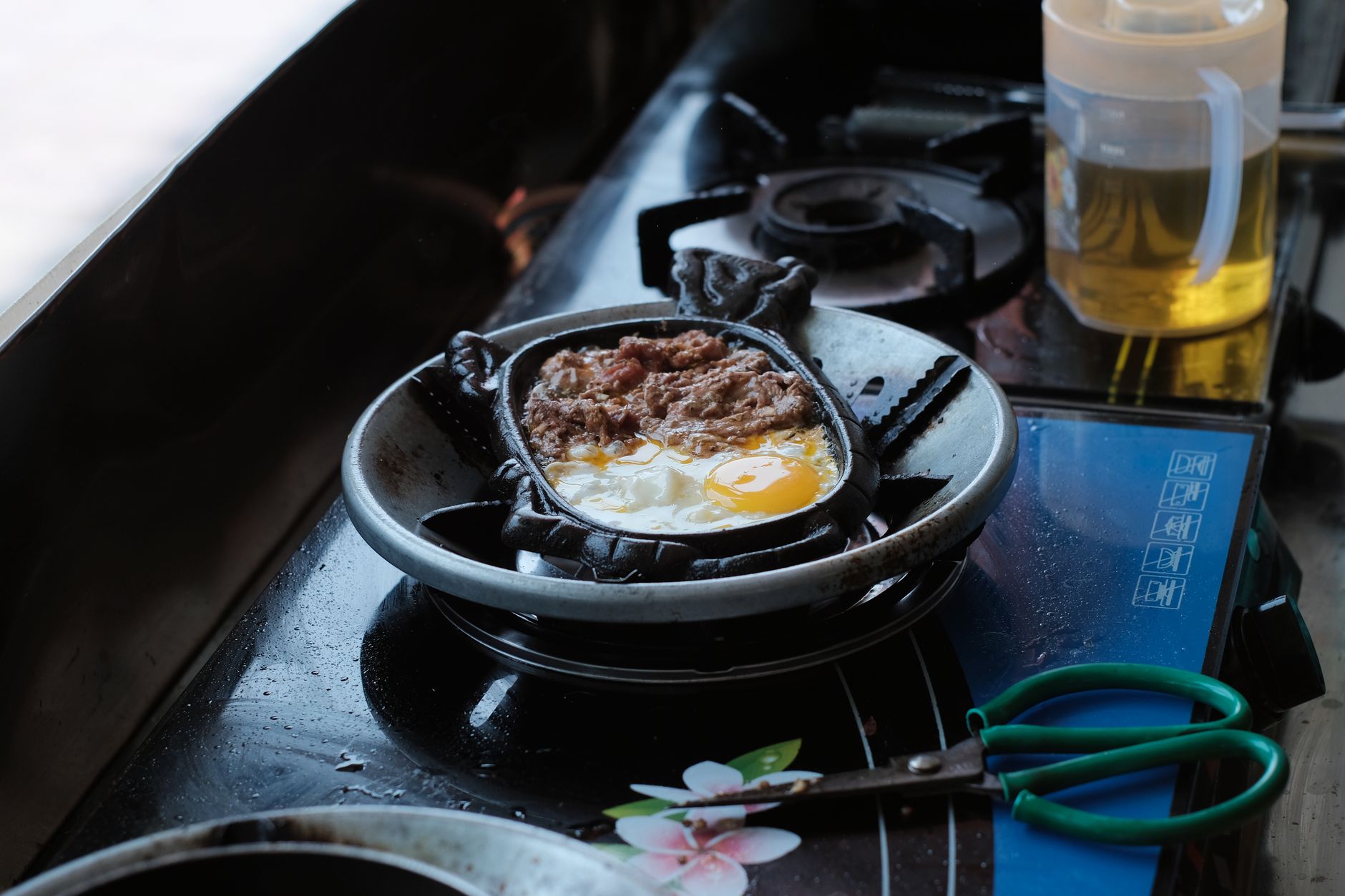
Lodge cast iron pans contain only iron and carbon, no PFAS, no PTFE, no coatings. They cost around thirty dollars, which is less than most Teflon pans. A well-seasoned Lodge skillet is naturally nonstick enough for eggs, cornbread, and pancakes. It also survives campfires, grills, and 500°F ovens. The 12-inch size weighs about 8 pounds, so you need a secure grip. Lodge pre-seasons with soybean oil, which is not a synthetic coating. Check the Lodge 12-inch cast iron skillet on Amazon.
Cast iron has a few limits. Acidic recipes like tomato sauce can strip seasoning and add metallic flavor. High heat is fine, but rapid cooling can crack the pan. It requires drying immediately after washing to prevent rust. The seasoning builds over time, becoming increasingly nonstick. Unlike nonstick pans that wear out, cast iron gets better with use. This is the safest budget pick on our list. For more ideas on reducing chemicals at home, see how to reduce microplastics at home.
Key strengths:
- ✅ Only iron and carbon, zero PFAS or coatings
- ✅ Costs about 30 dollars, cheaper than most nonstick pans
- ✅ Lasts decades, improves with seasoning
- ✅ Safe up to 500°F and campfire use
- ❌ Very heavy at around 8 pounds
- ❌ Acidic foods can strip seasoning
- ❌ Needs immediate drying and light oiling to prevent rust
Who it’s for: A budget shopper who wants a durable, PFAS-free pan and does not mind the weight.
4. Xtrema Pure Ceramic Frying Pan (10-Inch) , Best Pure Ceramic Without Metal
Xtrema pans are made from pure ceramic, not a ceramic coating over metal. They contain no PFAS, no PTFE, no PFOA, no lead, no cadmium, and no metal core. This matters if you have a nickel allergy or want to avoid any possible metal leaching. The pan is stove top, oven, microwave, and broiler safe up to 930°F according to Xtrema. It is much lighter than cast iron but heavier than typical nonstick. The smooth glasslike surface can handle acidic dishes without reacting.
The downside is fragility. Pure ceramic can crack if dropped or exposed to sudden temperature changes. It also does not have the even heat distribution of multi-ply stainless or cast iron. We recommend it for gentle cooking, simmering, and people who want zero heavy metal contact. Hand washing is required.
Key strengths:
- ✅ Pure ceramic, no metal or PFAS
- ✅ No lead, cadmium, PFOA, or PTFE
- ✅ Safe for stovetop, oven, microwave, and broiler
- ✅ Good for acidic dishes and nickel allergies
- ❌ Fragile and can crack with drops or thermal shock
- ❌ Uneven heat distribution compared to stainless or cast iron
- ❌ Hand wash only
Who it’s for: Someone with a nickel allergy or anyone who wants zero metal and zero PFAS in the pan.
5. Le Creuset Enameled Cast Iron Dutch Oven (5.5-Quart) , Best Enameled Cast Iron for Braising
Enameled cast iron gives you cast iron heat retention without bare iron maintenance. Le Creuset’s enamel is a vitreous glass coating fused to the iron. It contains no PFAS, no PTFE, and no lead or cadmium according to the brand. The interior enamel is light beige, making it easy to see browning. We braised short ribs at 325°F for four hours. The pot held temperature evenly and cleaned up with a soak. It is induction compatible and oven safe to 500°F.
The biggest downside is price and weight. This 5.5-quart Dutch oven costs around four hundred dollars and weighs over 11 pounds empty. Enamel can chip if you drop it or heat it empty on high. Avoid metal utensils on the interior. If the enamel chips, the pot is still usable if the cast iron is intact, but the chip may trap food and bacteria. This is a buy-it-for-life piece for slow cooking, bread baking, and braising.
Key strengths:
- ✅ Zero PFAS, PTFE, lead, or cadmium
- ✅ Excellent heat retention for braising
- ✅ Oven safe to 500°F and induction compatible
- ✅ Easy to clean with non-toxic cleaners
- ❌ Very expensive, around 420 dollars
- ❌ Heavy at over 11 pounds
- ❌ Enamel can chip if mishandled
Who it’s for: A serious home cook who wants a lifetime PFAS-free pot for braising, soups, and bread.
Frequently Asked Questions
Are ceramic nonstick pans really PFAS-free?
Most reputable brands like GreenPan use sol-gel ceramic coatings that are not PFAS. But cheap imported ceramic pans may use a PTFE primer. Look for an explicit PFAS-free claim and third-party lab testing.
Is PTFE the same as PFOA?
No. PTFE is the polymer used in nonstick coatings. PFOA was a processing aid used to make PTFE. Many pans claim PFOA-free but still use PTFE. PFAS-free means no PTFE.
Does stainless steel leach nickel or chromium?
Food-grade stainless can leach tiny amounts of nickel or chromium, especially with acidic foods. This is not a PFAS issue. If you have a nickel allergy, choose pure ceramic or cast iron.
How do I know if my current pan has PFAS?
If the label says Teflon, nonstick, or PFOA-free without also saying PFAS-free, it likely has PTFE. Scratched or chipped nonstick pans may release particles. Replace any scratched nonstick pan.
Can cast iron increase iron intake?
Yes, cast iron can leach small amounts of iron into food, especially acidic dishes. For most people this is safe. People with hemochromatosis should avoid extra iron.
Are Le Creuset and Staub enamel coatings safe?
Yes, when intact. Enamel is glass. Avoid chipped enamel because it can expose cast iron and create sharp edges.
What Should You Remember?
- PFAS-free first: Reject any pan labeled only PFOA-free. It may still contain PTFE.
- Material matters: Ceramic, stainless, cast iron, and enameled cast iron avoid PFAS.
- EPA limits: The EPA set 4 parts per trillion limits for PFOA and PFOS in drinking water.
- Scratches count: Replace scratched nonstick pans because scratches can increase particle release.
- Price does not equal safety: A 30 dollar Lodge pan can be safer than a 120 dollar Teflon pan.
- Third-party testing: Look for brands that publish lab tests for heavy metals and PFAS.
- Oven safety: Choose pans rated to at least 450°F if you sear or finish in the oven.
This article is for general information only and is not medical, legal, or regulatory advice. Chemical-safety claims and product choices should be verified against current scientific research and the guidance of relevant agencies (EPA, FDA, EWG, CDC). Always follow manufacturer instructions and consult a qualified professional for health or exposure concerns.