PFAS are a family of thousands of synthetic fluorinated chemicals. They resist heat, water, oil, and stains. That makes them useful in nonstick pans. But the same durability means they persist in the human body and the environment. The CDC found PFAS in the blood of 97% of Americans. Many people now want cookware that avoids these compounds altogether. You do not need a coated nonstick pan to cook eggs or fish. This guide explains the safer alternatives.
The term PFAS-free can be misleading. Some brands say PFOA-free while still using other fluoropolymers. Others use ceramic nonstick that may wear down quickly. This guide explains what to look for, what to skip, and which brands have more transparent materials. We rely on public health data from the CDC, the EPA, and the FDA. If you are new to this topic, start with PFAS in cookware: what you need to know. Then compare the best options in our non-toxic cookware guide.
| Brand | Material | Price | Why It’s Safer |
|---|---|---|---|
| Lodge Cast Iron Skillet | Bare cast iron | Check price on Amazon | No synthetic coating; naturally nonstick with seasoning |
| Le Creuset Enameled Dutch Oven | Enameled cast iron | Check price on Amazon | Glass-based enamel; no fluoropolymers |
| Staub Dutch Oven | Enameled cast iron | Check price on Amazon | Heavy enamel finish resists chipping |
| GreenPan Ceramic Nonstick | Ceramic-coated aluminum | Check price on Amazon | Thermolon coating is PFAS-free |
| Caraway Cookware Set | Ceramic-coated aluminum | Check price on Amazon | PFAS-free nonstick coating; stylish |
| Made In Stainless Clad | Stainless steel | Check price on Amazon | Uncoated metal; no PFAS required |
| Xtrema Pure Ceramic Skillet | Pure ceramic | Check price on Amazon | No metal, no synthetic coating |
What Are PFAS and Why Are They in Cookware?
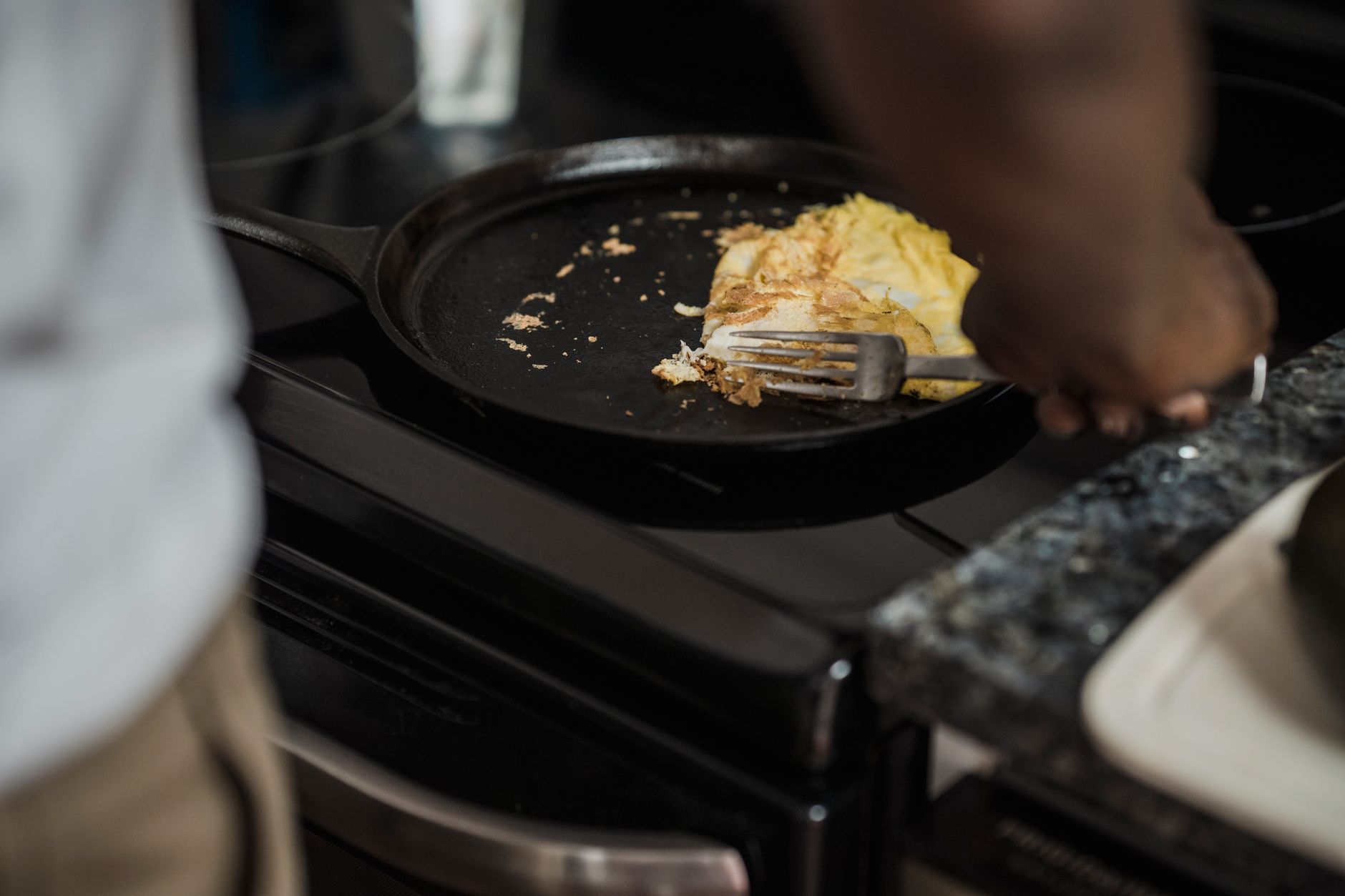
PFAS stands for per- and polyfluoroalkyl substances. The class includes PFOA, PFOS, GenX, and PTFE. PTFE is the coating polymer sold under the brand name Teflon. Manufacturers have used PFAS in nonstick cookware since the 1950s. The chemicals create a slick surface that releases food easily. But they do not stay put. High heat can break down fluoropolymers. Scratches and wear can release particles and gases. Learn more about the material science in PFAS in cookware: what you need to know.
The EPA health advisory for PFOA is 0.004 parts per trillion in drinking water. The advisory for PFOS is 0.02 parts per trillion. These are extremely low levels. They show that very small doses may carry health risks. The CDC has measured PFAS in nearly all Americans tested. Cookware is not the only exposure source. Drinking water, food packaging, and stain-resistant textiles also contribute. But reducing any avoidable source makes sense.
In 2026, many brands still use PTFE-based nonstick. The label may not say PFAS. It may say Teflon, nonstick, or simply coated aluminum. Unless a pan is explicitly free of fluorinated polymers, assume it may contain PFAS. The safest materials are uncoated metals, glass, and verified ceramic. Our non-toxic cookware guide breaks down the top picks by material.
How Do I Know If Cookware Is Actually PFAS-Free?
Start with the material. Uncoated cast iron, carbon steel, and stainless steel do not need PFAS to function. Enameled cast iron uses a glass-based enamel. That coating is typically fired at high heat and does not use PFAS. Pure ceramic cookware is also free of fluorinated coatings. But watch for aluminum pans with a ceramic coating. Some may still use PFAS in the bonding layer. See the non-toxic cookware guide for tested options.
Labels matter. PFOA-free is not enough. PFOA was phased out in the US years ago. Many manufacturers replaced it with PFOS, GenX, or other fluorinated compounds. A pan labeled nonstick without specifics may still contain PTFE. Look for statements such as PFAS-free, no fluoropolymers, or free of per- and polyfluoroalkyl substances. Third-party certifications add confidence.
The FDA authorizes some PFAS for food-contact use. But the agency has not banned the entire class. The European Union is moving toward a broad PFAS restriction. In the US, state laws are leading. California and Colorado have restricted PFAS in food packaging and cookware. Companies that disclose full material lists make it easier to verify. When in doubt, email the brand and ask if any fluorinated polymers are used in any component.
- Check the base material: uncoated metal, enamel, or pure ceramic.
- Look for written PFAS-free statements, not just PFOA-free.
- Ask brands for third-party total fluorine test results.
Which Cookware Materials Are Naturally PFAS-Free?
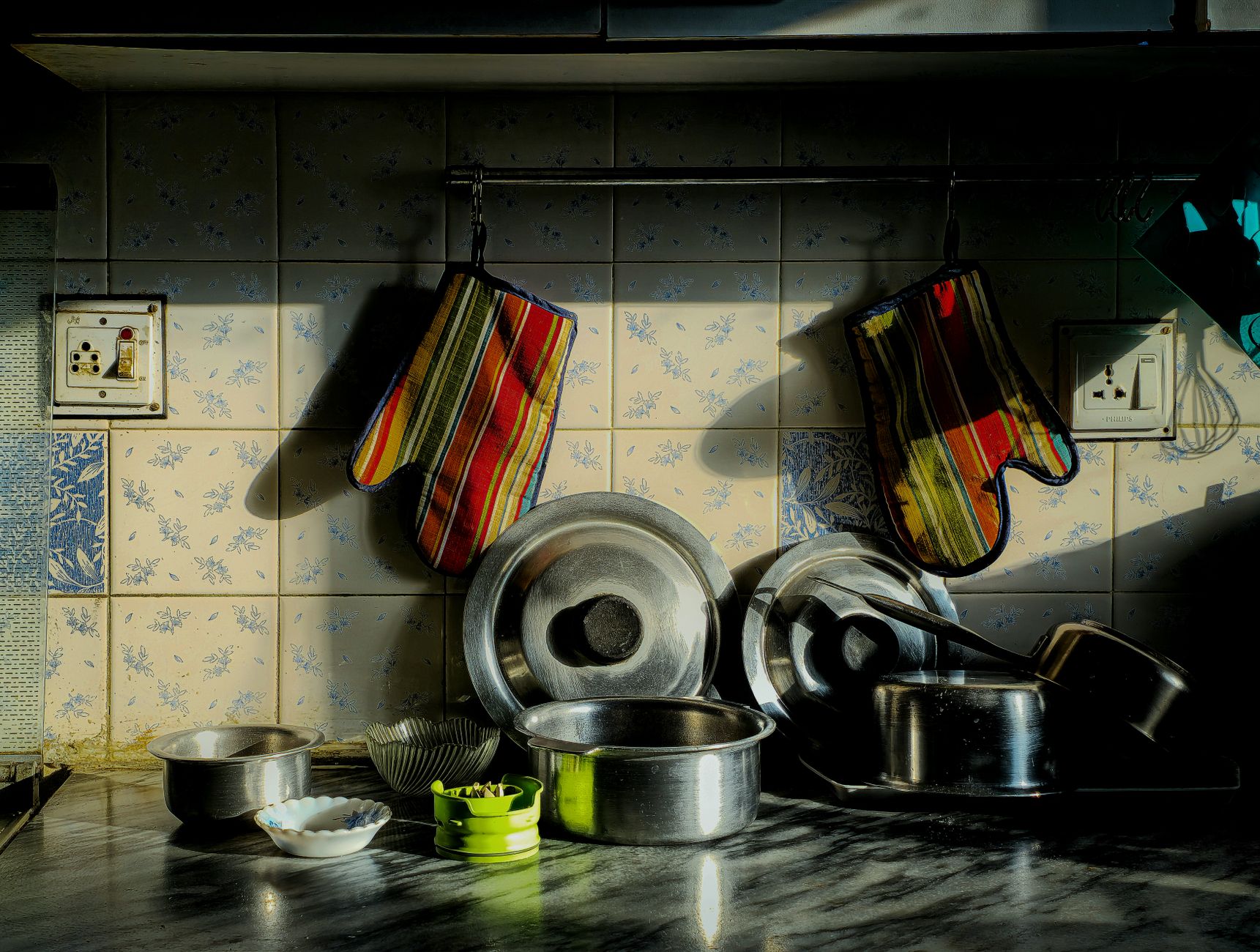
The simplest approach is to buy pans that do not rely on synthetic nonstick coatings at all. Cast iron is heavy, inexpensive, and becomes more nonstick with seasoning. Carbon steel is lighter than cast iron and used in professional kitchens. Stainless steel is unreactive and dishwasher safe. None of these materials contain PFAS. They also do not shed microplastics. For related household swaps, see how to reduce microplastics at home.
Enameled cast iron gives you cast iron heat retention without bare iron maintenance. The enamel is a type of glass. It does not require seasoning. It is safe for acidic foods. Brands like Le Creuset and Staub state that their enamel does not contain PFAS. However, the cast iron underneath requires a protective layer. That layer is glass, not fluoropolymer. Check for chips and cracks that expose the iron.
Pure ceramic cookware, such as Xtrema, is made from clay, water, and minerals. It is fired at very high temperatures. It has no metal core and no synthetic coating. Ceramic-coated aluminum is different. Those pans use a thin silica-based coating over an aluminum or hard-anodized base. They may be PFAS-free. But they can lose their nonstick properties in one to three years. Look for brands that publish lab test results. For more on material safety, see PFAS in cookware: what you need to know.
- Bare cast iron and carbon steel become nonstick with seasoning.
- Enameled cast iron uses a glass coating, not a polymer.
- Pure ceramic has no metal or synthetic coating.
Which Brands Are Actually PFAS-Free in 2026?
We reviewed material disclosures, company statements, and independent testing reports. The table below lists brands that are commonly cited as safer options. These are not the only safe brands. They are starting points. Each brand uses uncoated metal, enameled cast iron, or silica-based ceramic. None of these rely on PTFE nonstick.
Each option has a different maintenance level and price point. Pick the material that fits your cooking style and budget. Cast iron requires seasoning but lasts decades. Enameled cast iron costs more but needs less upkeep. Ceramic nonstick is convenient but less durable. Stainless steel is versatile and dishwasher safe. Pure ceramic is the most limited for high-heat searing.
How Do Ceramic Nonstick Pans Compare to Traditional Nonstick?
Ceramic nonstick coatings are made from silicon dioxide, which is sand. They are not PTFE. Most ceramic coatings are free of fluorinated chemicals. They can handle medium heat and need less oil. But they are not as durable as traditional PTFE. The coating may lose release after one to three years. You need to avoid metal utensils and cooking sprays.
Traditional nonstick pans, including Teflon, can release fumes above 500°F. These fumes can cause flu-like symptoms in humans. The polymer itself is stable at low heat. But scratches and overheating can accelerate degradation. The FDA has not banned PTFE for cookware. However, if you want to minimize PFAS exposure, ceramic is a practical alternative. See PFAS in cookware: what you need to know for more on overheating risks.
Some ceramic pans have a metal core. That is not a problem for PFAS. The concern is whether the bonding layer or base coat uses fluoropolymers. Ask for a written statement. Look for brands that test for total fluorine. If a company only says PFOA-free, dig deeper. Our non-toxic cookware guide compares ceramic options with lab disclosures.
- Ceramic coatings are silica-based and usually PFAS-free.
- Traditional PTFE nonstick can degrade above 500°F.
- Ceramic nonstick needs gentler care and may not last as long.
What Should I Avoid When Shopping for PFAS-Free Cookware?
Avoid any pan labeled Teflon, PTFE, or nonstick without material disclosure. Also avoid pans that simply say PFOA-free. PFOA is just one PFAS. Many cookware brands replaced PFOA with GenX or PFOS. These replacement chemicals may have similar health risks. The EPA now sets health advisories for several PFAS. Learn more in PFAS in cookware: what you need to know.
Be wary of natural or green nonstick labels. These terms are not regulated. A pan can be called green and still contain fluoropolymers. Look for specifics. A good product page will list the coating material. It may say silica, ceramic, enamel, or uncoated. If the website avoids naming the polymer, treat it as a red flag.
If you are concerned about PFAS in water, consider a filter. The EPA is moving toward legally enforceable drinking water limits for PFAS. A water filter for PFAS removal can reduce your overall exposure. Changing cookware alone is not enough. But it is a meaningful step. For more on reducing household PFAS, see PFAS in drinking water guide 2026. Also check how to reduce microplastics at home.
- Skip Teflon, PTFE, and vague nonstick labels.
- Do not settle for PFOA-free alone.
- Demand material disclosure from the brand.
Frequently Asked Questions
Is ceramic cookware completely PFAS-free?
Not all ceramic cookware is automatically PFAS-free. Pure ceramic like Xtrema does not contain PFAS. Ceramic-coated aluminum pans may have PFAS-free coatings, but some brands use fluorinated compounds in bonding layers. Check for a written PFAS-free statement.
Does stainless steel cookware ever contain PFAS?
Uncoated stainless steel does not need PFAS and is naturally free of fluorinated coatings. Some stainless steel pans have a nonstick coating that may contain PTFE. Choose uncoated stainless steel to avoid PFAS.
Can PFAS from cookware leach into food?
PFAS can migrate from coated pans at high heat or when the surface is scratched. The FDA has not set a migration limit for all PFAS. The EPA health advisories show that even low part-per-trillion levels are a concern.
What does PFOA-free mean on a pan label?
PFOA-free means only one specific PFAS compound is absent. Other PFAS like PFOS, GenX, or PTFE may still be present. Look for a broader PFAS-free claim or no fluoropolymers statement.
Is cast iron hard to maintain?
Cast iron requires seasoning and hand washing, but it is naturally PFAS-free and can last for decades. With proper care, it develops a nonstick surface without synthetic coatings.
How can I test my cookware for PFAS?
Consumer testing for PFAS in cookware is expensive and not widely available. The practical approach is to choose brands with transparent material lists and third-party certifications. Avoid vague nonstick labels.
What Should You Remember?
- Choose uncoated cast iron, carbon steel, or stainless steel because they do not need PFAS.
- Avoid Teflon, PTFE, and vague nonstick labels even if they say PFOA-free.
- Look for explicit PFAS-free statements, not just marketing terms.
- Prefer ceramic brands that test for total fluorine and publish results.
- Replace scratched or overheated nonstick pans to reduce potential exposure.
- Use a water filter for PFAS removal because drinking water is a major exposure route.
This article is for general information only and is not medical, legal, or regulatory advice. Chemical-safety claims and product choices should be verified against current scientific research and the guidance of relevant agencies (EPA, FDA, EWG, CDC). Always follow manufacturer instructions and consult a qualified professional for health or exposure concerns.