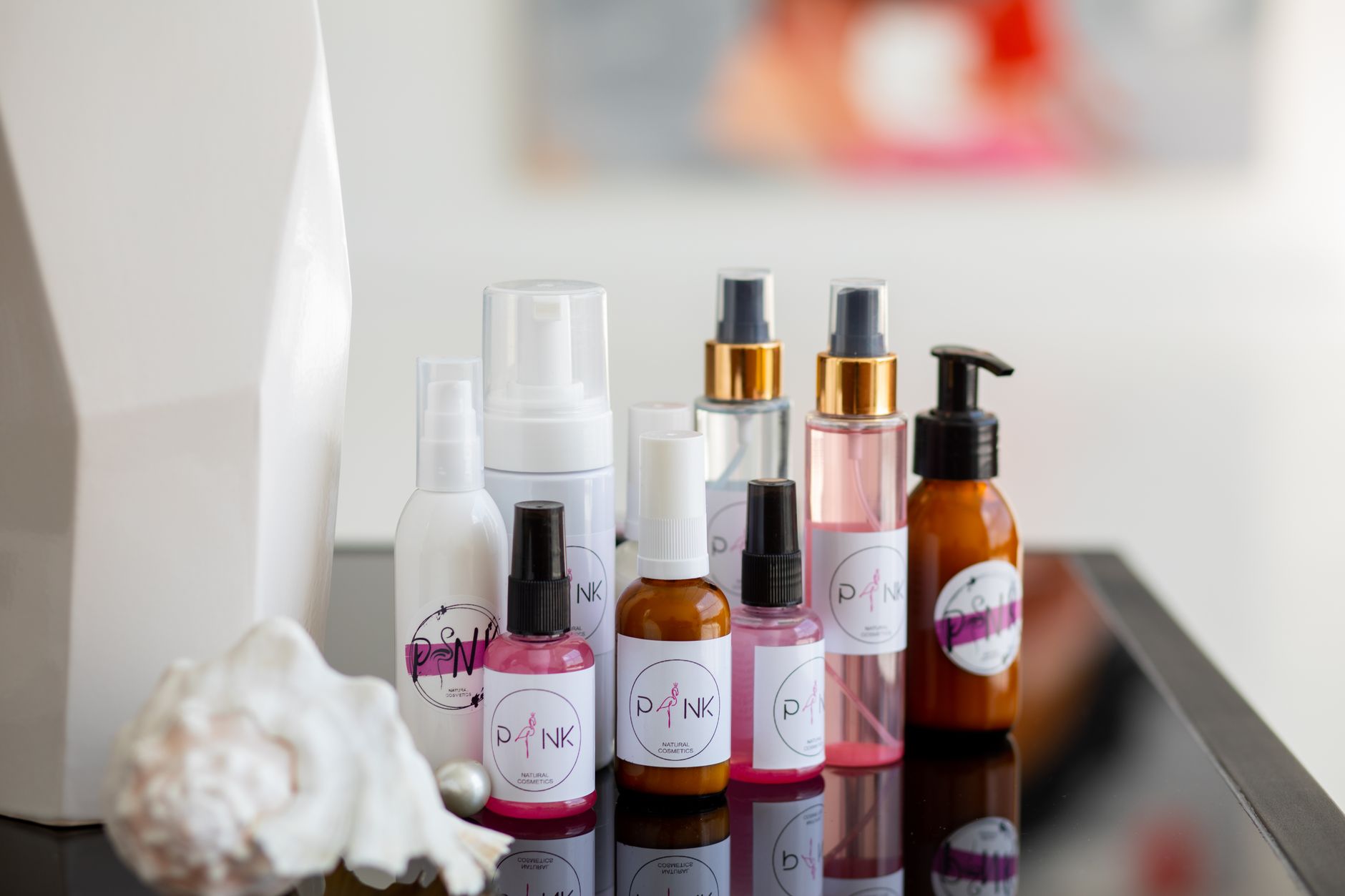
Your morning routine may expose you to far more than clean skin and fresh scent. The average adult uses 6 to 12 personal care products daily, according to the Environmental Working Group. That ritual can add up to more than 100 unique ingredients before breakfast. Some of those ingredients are linked to hormone disruption, skin irritation, and longer term health concerns. Cosmetic regulations in the United States have not changed much since 1938. The FDA does not require premarket safety testing for most beauty products. That means label reading is your first line of defense.
Many shoppers assume that if a lotion or shampoo is on a store shelf, it has been proven safe. That assumption is not always accurate. Under current federal law, cosmetic manufacturers are responsible for product safety. But they are not required to share safety data with the FDA. The European Union bans or restricts over 1,300 cosmetic ingredients. The FDA has banned or restricted only 11. This gap leaves U.S. consumers with more label detective work.
This article draws on data from the CDC, FDA, and EWG. You will learn the most common toxic chemicals in personal care products. You will also see how to spot them on labels and where to find safer alternatives. Use the EWG Skin Deep database guide to check your current products. And if you want to reduce broader household exposures, start with our guide on how to reduce microplastics at home.
| Chemical | Common Product Types | Primary Health Concern | Safer Alternative |
|---|---|---|---|
| Parabens (methyl, propyl, butyl) | Shampoo, conditioner, lotion, makeup | Endocrine disruption, reproductive toxicity | Paraben-free labels or phenoxyethanol |
| Phthalates (DEP, DBP, DEHP) | Fragranced products, nail polish, hair spray | Hormone disruption, developmental effects | Fragrance-free or phthalate-free |
| Formaldehyde releasers (DMDM hydantoin, quaternium-15) | Shampoo, body wash, hair gel | Skin irritation, formaldehyde exposure, carcinogenicity | Preservatives like sodium benzoate |
| PFAS (per- and polyfluoroalkyl substances) | Waterproof mascara, long-wear lipstick, foundation | Persistence, immune and hormone effects | PFAS-free or minimal ingredient makeup |
| Synthetic fragrance or parfum | Almost all scented products | Allergy, asthma, hidden phthalates | Unscented or essential oil-scented items |
Why Are Toxic Chemicals Allowed in Personal Care Products?
U.S. cosmetics oversight is narrow. The FDA does not approve most personal care products before they go to market. Color additives are the main exception. Manufacturers must ensure safety, but they are not required to register products or submit ingredient safety data. The last major federal cosmetics law, passed in 1938, focuses on adulteration and misbranding. Reform efforts have been slow. That leaves a regulatory gap that allows ingredients with known concerns to remain widely used.
The Food, Drug, and Cosmetic Act treats cosmetics differently from drugs. A product that claims to cleanse or beautify is a cosmetic. A product that claims to treat a condition is a drug. That matters because drugs face premarket review. Cosmetics do not. For example, a shampoo for dandruff is an over the counter drug. A shampoo for shine is a cosmetic. The shine shampoo can reach shelves without safety testing. This is why the EWG Skin Deep database guide is valuable. It scores products based on ingredient hazard data.
Some state governments are stepping in. California, Maryland, and Washington have passed laws restricting certain chemicals from cosmetics. The EU has been more aggressive. The European Commission bans or restricts more than 1,300 cosmetic chemicals. The U.S. FDA has banned or restricted about 11. This difference is a core reason why ingredient labels often look cleaner in European versions of the same product.
What Are the Most Common Toxic Chemicals in Personal Care Products?

Parabens are preservatives that stop mold and bacteria growth. They appear in shampoo, conditioner, lotion, and makeup. Common names include methylparaben, propylparaben, and butylparaben. Studies show parabens can mimic estrogen. The CDC has detected parabens in the urine of most Americans. A 2019 study found parabens in 90% of tested personal care products.
Phthalates are plasticizers and fragrance carriers. They help scents last longer and nail polish stay flexible. Diethyl phthalate (DEP) and dibutyl phthalate (DBP) are common in fragranced products. Because FDA does not require fragrance ingredients to be listed individually, phthalates can hide behind the word fragrance or parfum. The CDC has found phthalate metabolites in more than 90% of the U.S. population.
Formaldehyde releasers slowly release small amounts of formaldehyde to preserve product shelf life. You may not see formaldehyde on the label. Instead you may see DMDM hydantoin, quaternium-15, or diazolidinyl urea. The International Agency for Research on Cancer classifies formaldehyde as a human carcinogen. And PFAS are a large group of fluorinated chemicals. Some waterproof mascaras, long wear lipsticks, and foundations use PFAS for performance. Our guide on PFAS in drinking water explains why these persistent chemicals raise concern. For personal care, watch for ingredients with fluoro in the name.
How Do These Chemicals Affect Your Health Over Time?
Most personal care exposures are low level. That does not mean they are harmless. The concern is chronic, repeated exposure. You may use a fragranced lotion daily for years. Ingredients can be absorbed through the skin, inhaled, or ingested from lip products. The CDC biomonitoring program detects many of these chemicals in blood and urine. Detection alone does not equal disease. But it confirms widespread exposure.
Parabens and phthalates are endocrine disruptors. They can interfere with hormone signaling. Research links some phthalates to reduced testosterone and altered reproductive development. Studies on parabens show weak estrogenic activity. The risk is highest during pregnancy, infancy, and puberty. That is why our non-toxic baby products guide focuses on fragrance free and paraben free options. The PFAS in baby products guide also explains why developing bodies need cleaner products.
Fragrance is a common trigger for asthma, migraine, and contact dermatitis. A 2017 survey found nearly one third of adults reported health problems from fragranced products. Formaldehyde releasers can cause scalp irritation and hair loss in some users. In occupational settings, formaldehyde exposure has been linked to nasal cancers. PFAS are associated with immune suppression, thyroid disease, and elevated cholesterol in some studies. These outcomes may take years to develop.
How Can You Spot Hidden Toxic Chemicals on Labels?
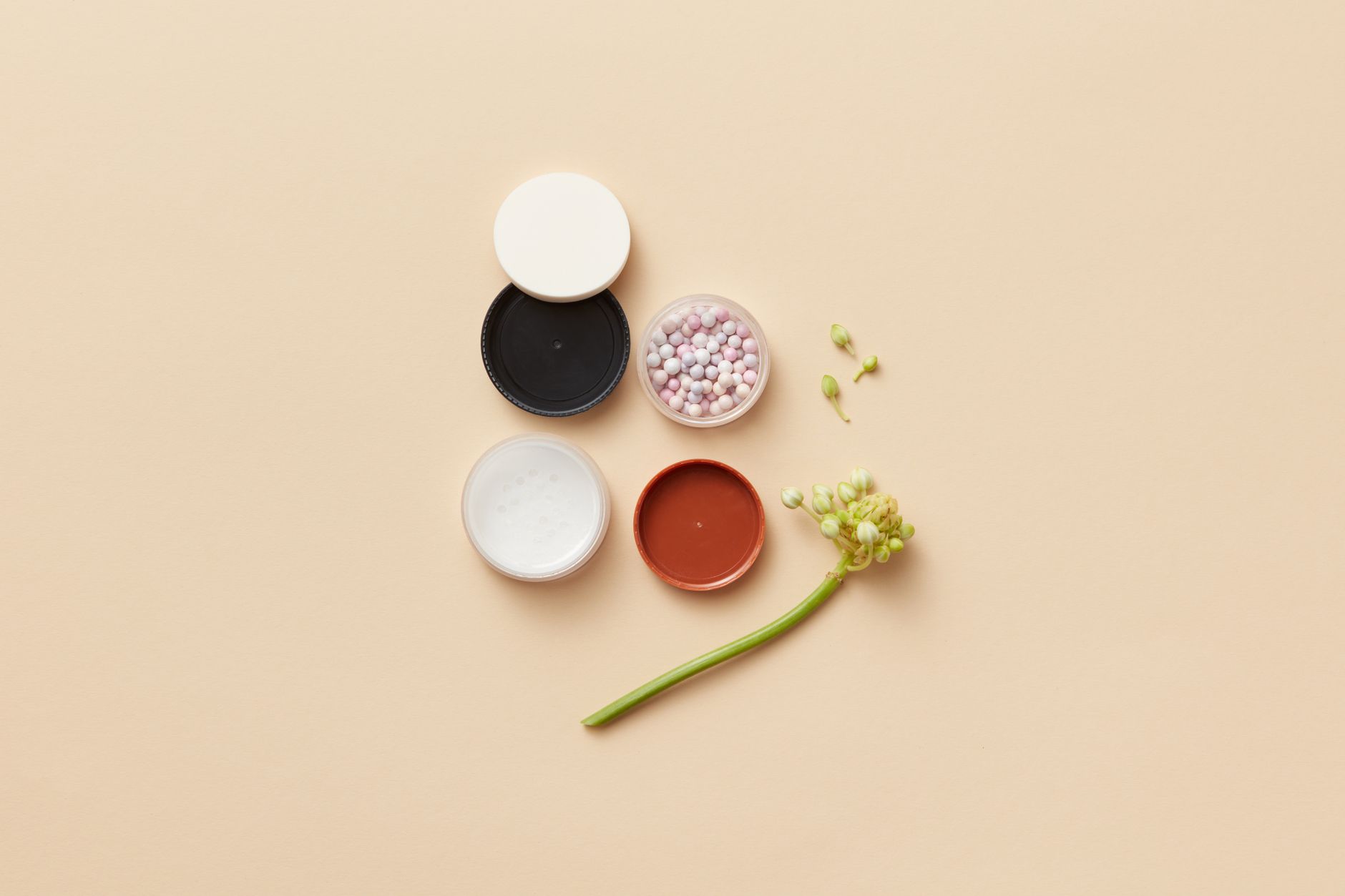
A quick scan is not enough. The word fragrance may hide dozens of chemicals. In the U.S., fragrance formulas are protected as trade secrets. That means a label can simply say fragrance or parfum. This single term can include phthalates, synthetic musks, and allergens. Choose products that list fragrance-free or use essential oils you can trust. Beware of unscented, which can still contain masking fragrances.
Preservatives can hide behind long names. Look for methylisothiazolinone, which is a common sensitizer, or DMDM hydantoin, a formaldehyde releaser. The EWG Skin Deep database lets you search a product and see ingredient hazard scores. Use our EWG Skin Deep database guide for step by step help. Another tool is the Think Dirty app, but EWG is more transparent.
Be cautious with products that promise all day wear, water resistance, or long lasting shine. These claims often signal film forming ingredients or PFAS. On ingredient lists, look for fluoro compounds such as perfluorononyl dimethicone or PTFE. Our guide on how to reduce microplastics at home explains how ingredients like polyethylene can double as both plastic and environmental contaminant. If a label is too small, search the product in EWG or the manufacturer website.
Which Product Categories Need the Most Scrutiny?
Some categories deserve extra attention because they sit on skin all day or near sensitive areas. Leave on products matter more than wash off products. Lotion, deodorant, foundation, and sunscreen stay on the skin for hours. Shampoo and body wash have shorter contact time, but they can still expose scalp and mucous membranes. Lipstick and lip balm can be ingested.
Hair care products are a common source of fragrance and formaldehyde releasers. Straightening treatments have been linked to high formaldehyde levels, even in products labeled formaldehyde free. Nail polish has historically contained dibutyl phthalate, toluene, and formaldehyde resin. Many brands now offer 10 free or 16 free formulas. Menstrual products and intimate care items can contain fragrance, dyes, and plastics. Choose unscented, organic cotton options when possible.
Deodorants and antiperspirants often contain fragrance and aluminum compounds. Antiperspirants use aluminum salts to block sweat glands. The evidence on aluminum and breast cancer is not settled, but some consumers choose aluminum free alternatives. For household products with similar ingredient concerns, see our non-toxic cleaning products guide. Reducing fragrance in multiple product categories lowers total exposure.
What Should You Look for in Safer Personal Care Products?
Start with fewer products. Simplify your routine to reduce total chemical load. Choose fragrance free or naturally scented products with full ingredient disclosure. Look for third party certifications. EWG Verified, USDA Organic, and MADE SAFE offer some assurance. The EWG Skin Deep database is a free tool for comparing products. Avoid brands that hide behind proprietary fragrance blends.
Read every ingredient, not just the front label. A product labeled natural or clean can still contain synthetic fragrance or preservatives. Terms like 96% natural have no legal definition. Instead, scan the back label for the chemicals listed earlier. If you see fragrance, parfum, or any paraben, put it down. If you see a fluoro ingredient, choose an alternative.
Prioritize changes where exposure is highest. Replace leave on products first. Switch to safer deodorant, lotion, foundation, and sunscreen before replacing shampoo. For children and pregnant people, stricter choices matter. Our non-toxic baby products guide identifies products that avoid the most common hazards. Use clean ingredient apps, but verify claims with EWG or MADE SAFE.
Frequently Asked Questions
Are expensive natural products always safer?
Not always. Price and marketing do not equal safety. Read the full ingredient list. Many affordable fragrance-free products score better in EWG than luxury brands.
Is fragrance really that bad?
Fragrance can hide dozens of undisclosed chemicals, including phthalates and allergens. Choose fragrance-free or products that list all scent ingredients.
Do I need to avoid parabens completely?
Many people choose to avoid them because of endocrine concerns. The FDA considers them safe at low levels, but cumulative exposure from multiple products adds up. Paraben-free options are widely available.
What does clean mean on a label?
In the U.S., clean has no legal definition. It may mean nothing. Check the ingredient list and certifications instead.
Can these chemicals cause immediate skin reactions?
Yes. Fragrance, methylisothiazolinone, and formaldehyde releasers are common causes of contact dermatitis. Stop using the product if you notice redness, itching, or bumps.
Are there laws banning toxic chemicals in cosmetics?
California, Maryland, and Washington have passed restrictions. The EU bans over 1,300 ingredients. The FDA has banned only 11. Check state and retailer policies.
What Should You Remember?
- Check every label for parabens, phthalates, formaldehyde releasers, PFAS, and fragrance.
- Do not trust front claims like clean or natural. Read the complete ingredient list.
- Replace leave-on products first, including lotion, deodorant, and foundation.
- Use the EWG Skin Deep database to score current items.
- Choose fragrance-free or fully disclosed scents to avoid hidden phthalates.
- Prioritize safer products during pregnancy and early childhood.
- Simplify your routine to reduce cumulative chemical exposure.
This article is for general information only and is not medical, legal, or regulatory advice. Chemical-safety claims and product choices should be verified against current scientific research and the guidance of relevant agencies (EPA, FDA, EWG, CDC). Always follow manufacturer instructions and consult a qualified professional for health or exposure concerns.